
Japanese Buddhism is more than religion—it shaped how people lived, learned, governed, and understood life. From a faith adopted to protect the nation, Buddhism evolved into teachings of personal enlightenment, salvation for all, samurai values, and changing relationships with society and politics. Their stories remain in temples and historical places throughout Japan.
The Birth of Japanese Buddhism
Prince Shotoku
Laying the Foundations for the Acceptance of Buddhism in Japan
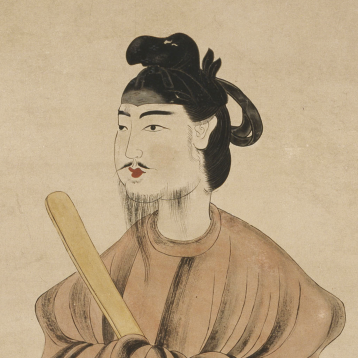
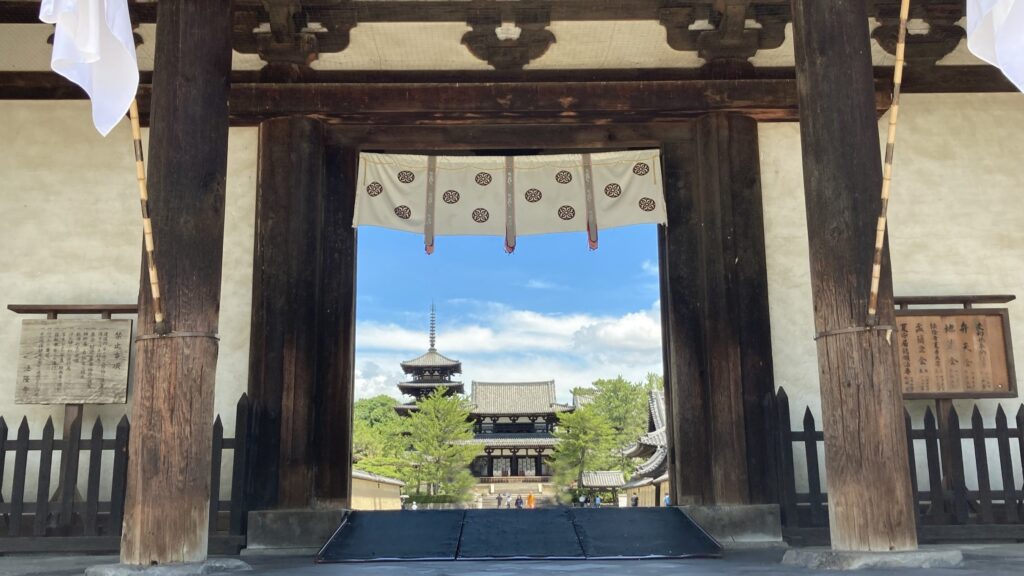
Buddhism was introduced in 538 (or 552). Facing the threat of the Sui Dynasty, Prince Shotoku, known as Prince Umayado (574-622, 厩戸皇子), established a centralized state based on Buddhism, working with Empress Suiko and Soga Umako. He built Horyuji Temple and formulated Japan's first constitution, the "Seventeen-Article Constitution.” It described the Three Treasures (Buddha, Dharma, and Monasticism). Prince Umayado passed away at 49, leaving behind his words, "The world is a falsehood; only Buddha embodies truth," offering profound insights into our modern existence. >> Read More
En no Ozuno:
Establishing Shugendo

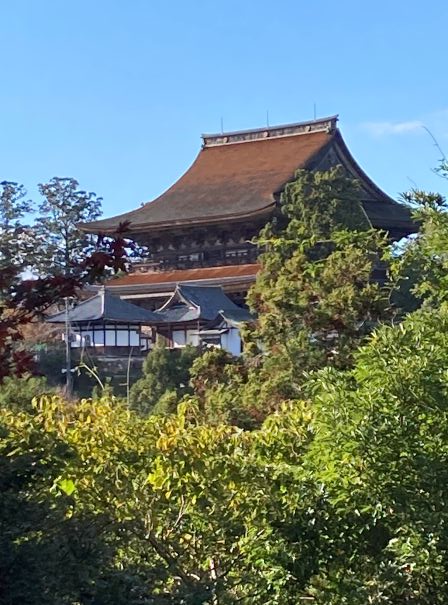
Shugendo emerged from ancient Japanese mountain and folk beliefs, shaped by the influences of Buddhism and Taoism. It’s defined by demanding mountain ascetic practices and the use of supernatural spells. En no Ozuno (7-8C, 役小角) established Yoshimizu Shrine and Kinpusenji Temple in Yoshino.
Protecting the Nation
During the Nara period (710–794), Japan was devastated by epidemics, famine, natural disasters, and political unrest. In response, Emperor Shomu turned to Buddhism as a means to protect the nation and restore peace.
Roben
The founder of the Japanese Kegon School
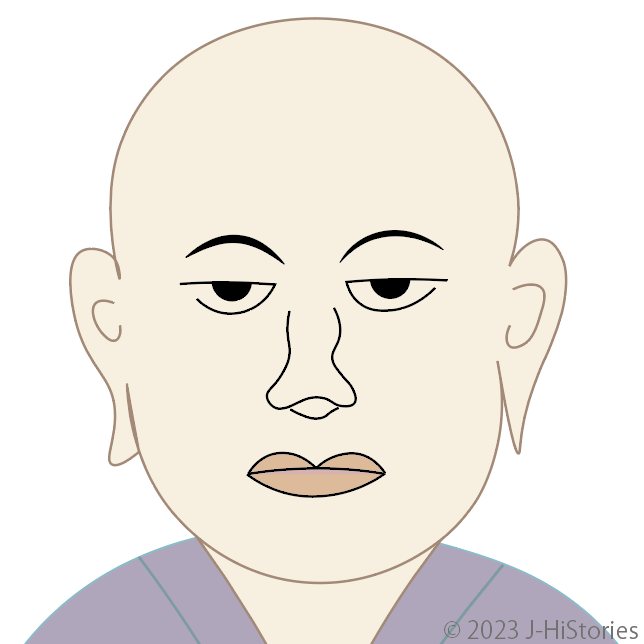
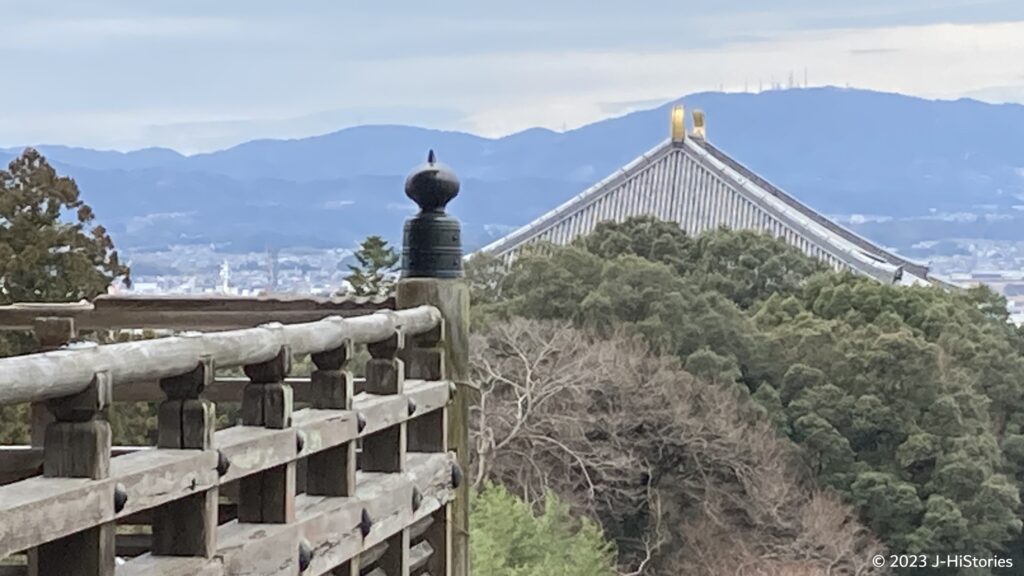
Roben (689-773, 良弁) supported the Todaiji Temple's construction at Emperor Shomu's wish. At the heart of Kegon's teaching is the idea of Juju-mujin (inexhaustible relationships). This means the infinite number of interrelated and overlapping elements in the world. The power of the Buddha spread from the Great Buddha throughout the nations, embodying Juju-mujin. >> Read More
Jianzhen
The founder of the precepts, even though losing his sight

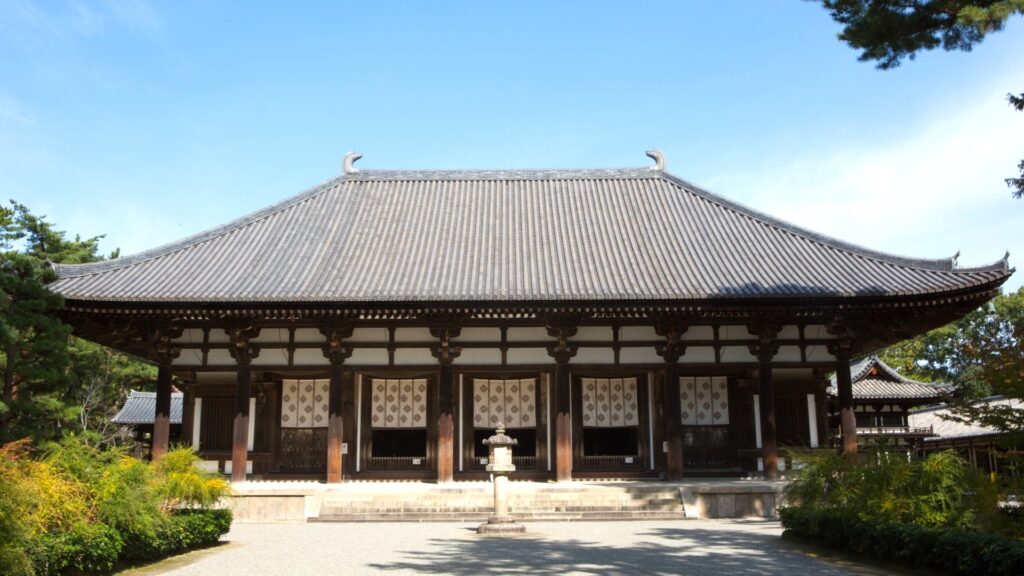
Jianzhen or Ganjin (688-763, 鑑真) enlightened the Great Buddha of Todaiji Temple after four failed attempts to travel from China, despite losing his eyesight. He ordained 400 individuals, including Emperor Shomu, his family, and court nobles, marking the inception of precepts in Japan and leading to the development of the precept system. In 759, he established a training center, Toshodaiji Temple, for monk education. Mieido Hall houses a seated statue of him, with sliding door paintings dedicated to him by the renowned painter Higashiyama Kaii. >> Read More
Seeking Personal Salvation
Early Nara Buddhism focused on protecting the nation. During the Heian period (794–1185), however, Saicho and Kukai introduced new teachings that also addressed personal salvation and spiritual fulfillment. Their belief that all people could attain enlightenment transformed Japanese Buddhism and shaped its future.
Saicho
The founder of the Tendai School - Advocating equality in attaining enlightenment
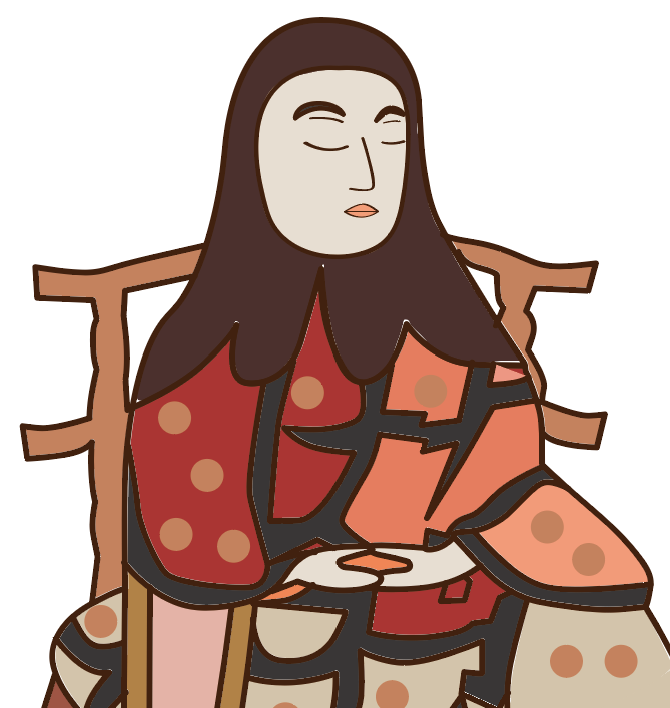
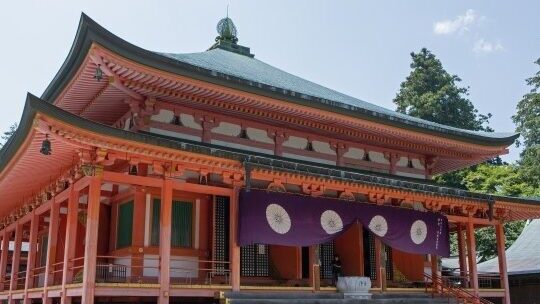
Saicho (767–822, 最澄) founded Enryakuji Temple on Mt. Hiei, where he taught that all people possess the potential to attain enlightenment. His famous words, "One who illuminates a corner, this is the treasure of the nation," inspired generations, and his disciples—including Honen, Shinran, and Eisai—went on to shape Japanese Buddhism. The Eternal Dharma Light first lit by Saicho at Enryakuji has remained unextinguished for more than 1,200 years.
Kukai
The founder of Shingon Esoteric Buddhism - Proposing that all people have Buddha nature
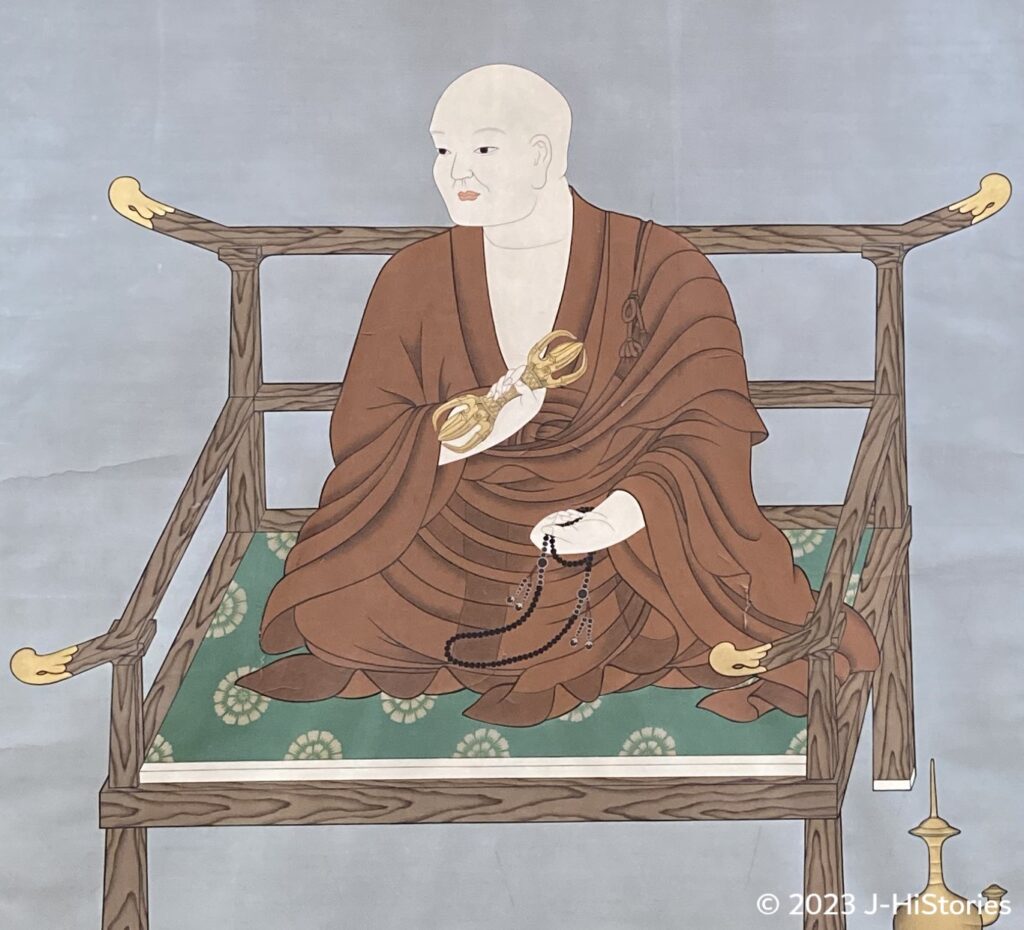
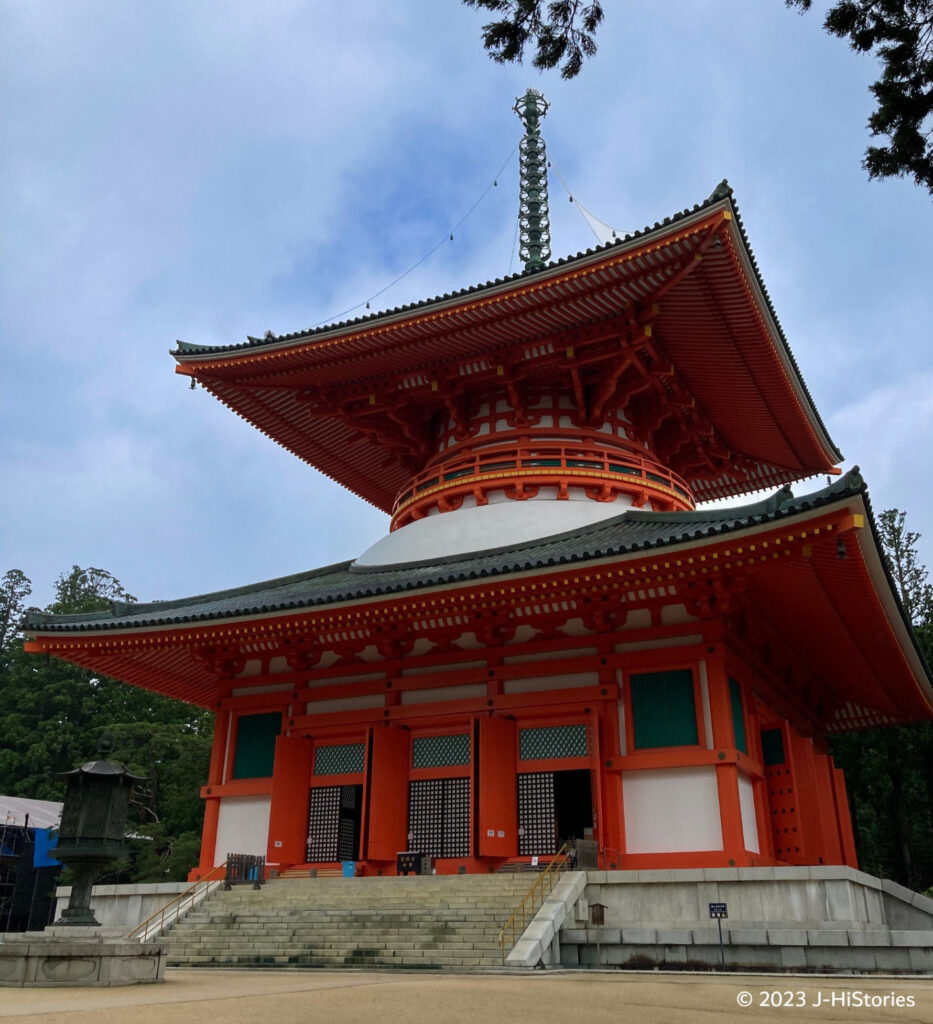
Kukai (774-835, 空海) founded the sacred monastic center of Mount Koya (Koyasan). where he taught that all people possess the Buddha nature as manifestations of Dainichi Nyorai. His teaching of Sokushin Jobutsu (attaining enlightenment in this lifetime) continues to inspire people today. His final wish was "My wish will not end until all living things are filled with peace and happiness". >> Read More
Salvation for All
After the Genpei War (1180–1185) and repeated natural disasters, many believed they had entered the age of mappo (the era in which Buddha's teachings were thought to be in decline), when enlightenment through traditional practice seemed out of reach. Honen and Shinran offered a new path, teaching that anyone could attain salvation through faith in Amitabha (Amida) Buddha.
Honen
The founder of the Jodo School - Proposing "Buddhism for Salvation"

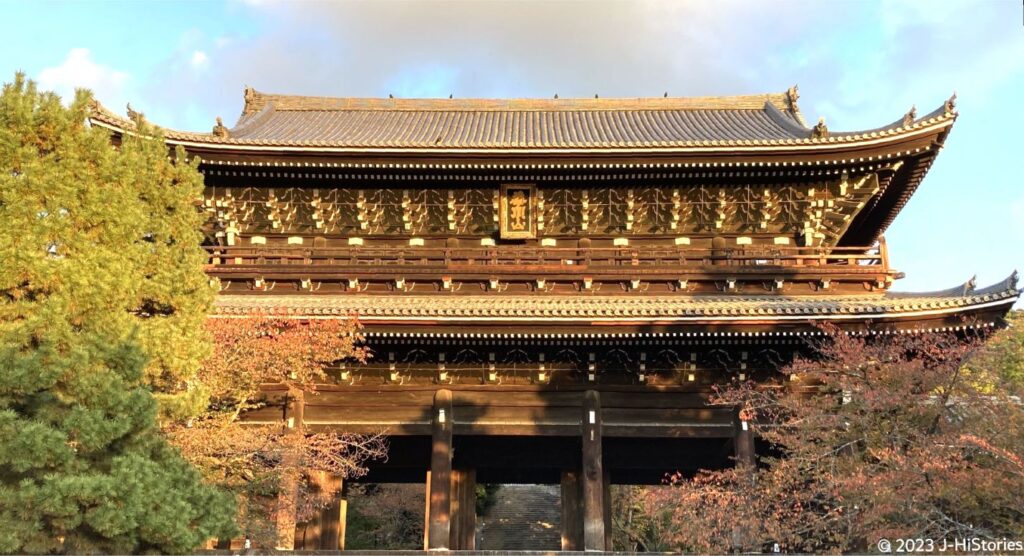
Honen (1133-1212, 法然) ふfounded the Jodo (Pure Land) School, and Chion-in Temple in Kyoto stands as its head temple. At the age of 43, he discovered “Buddhism for salvation" through the Kangyosho, teaching that anyone could attain salvation by sincerely reciting the Nenbutsu. It was greatly developed under the devotion of Tokugawa Ieyasu. >> Read More
Shinran and Rennyo
The founder and the reviver of the Jodo Shinshu School
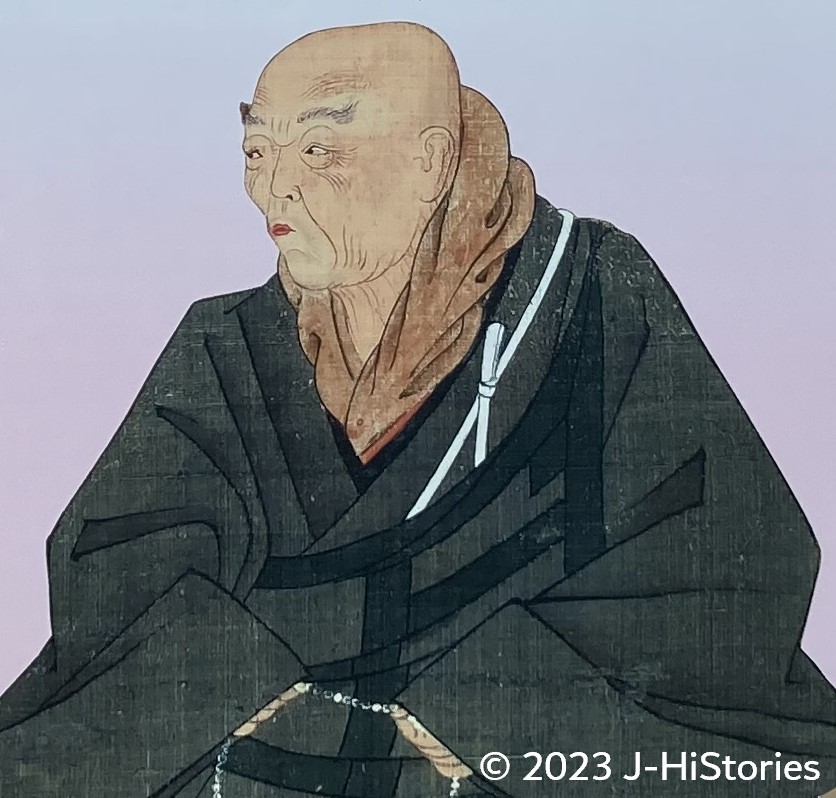
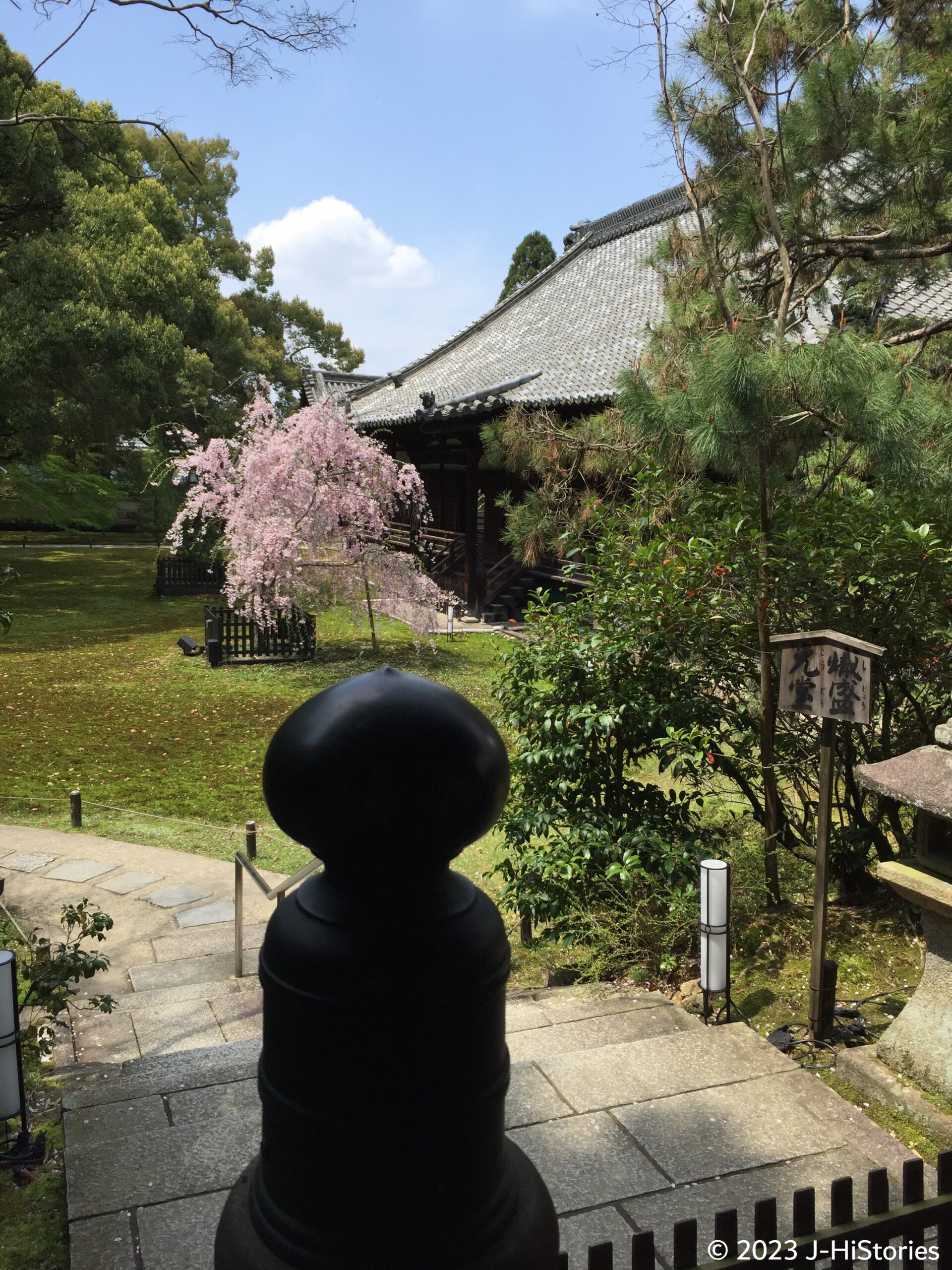
Shinran (1173-1262, 親鸞) began his Buddhist training at Shoren-in Monzeki in Kyoto before becoming Honen's disciple. He founded the Jodo Shinshu School, teaching that Amitabha Buddha's boundless compassion offered salvation to all, transforming Buddhism from a faith of the elite into one accessible to ordinary people and women. However, the path was arduous. The school was later revived and greatly expanded by Rennyo (1415-1499, 蓮如). >> Read More
Zen and the Rise of the Samurai
While Pure Land Buddhism spread among ordinary people, Zen took root among the samurai. Beyond spiritual practice, Zen priests advised rulers on governance, military strategy, and leadership. Eisai introduced the Rinzai School, embraced by the shogunate, while Dogen founded the Soto School, which spread among warriors and local communities.
Eisai (Yosai)
The founder of the Rinzai Zen - Flourishing with the Rise of the Samurai
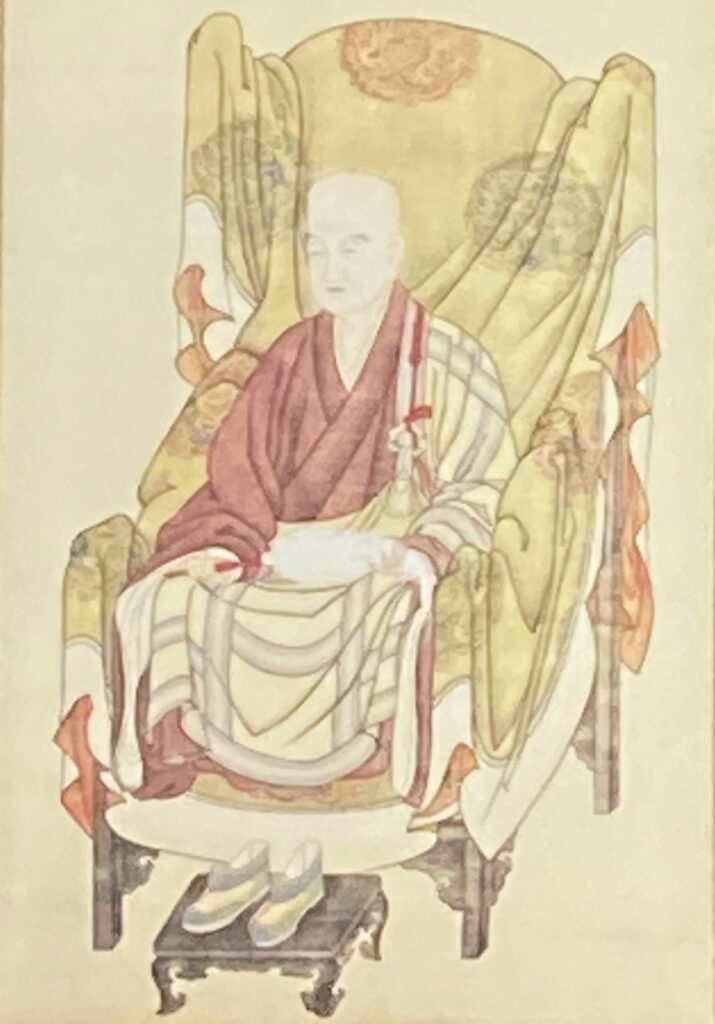
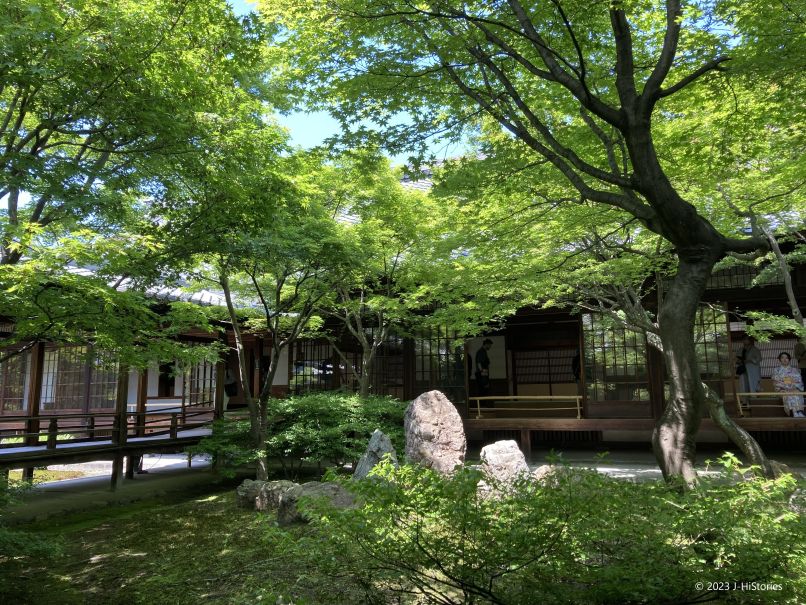
Eisai (1141–1215, 栄西) introduced the Rinzai Zen school and established Kennin-ji Temple, introducing Zan Buddhism to the second shogun of the Kamakura shogunate, Japan's first samurai government. Zen later flourished under the patronage of the Kamakura and later the Muromachi shogunates. Emphasizing practices such as zazen (seated meditation) and koan (Zen riddles), it teaches people to reflect deeply on how to live in this world. >> Read More
Dogen and Keizan
The founder and the reviver of the Soto Zen - Preaching the value of single-minded sitting
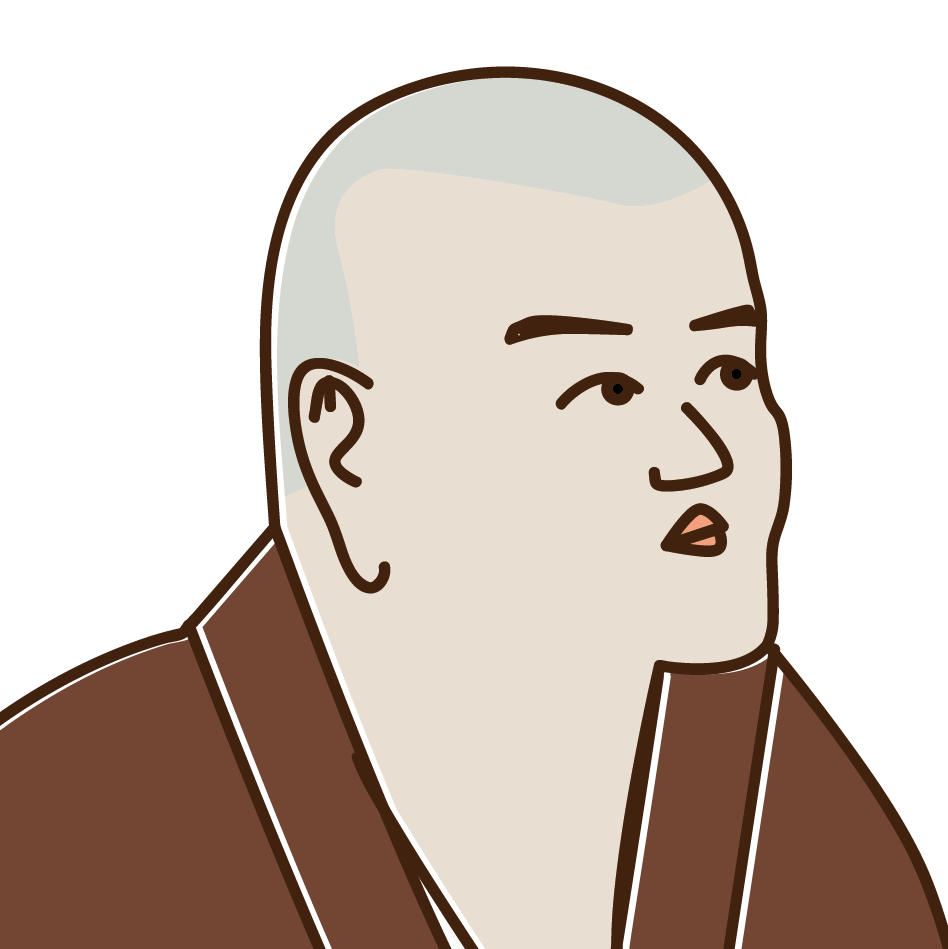
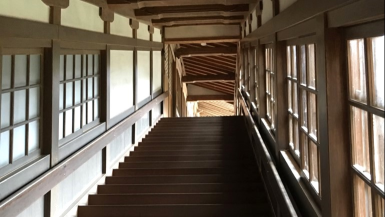
Dogen (1200-1253, 道元) founded the Soto Zen School and taught the value of Shikan Taza (single-minded sitting), viewing daily activities such as cleaning, eating, and other ordinary tasks as forms of Buddhist practice. He established Eiheiji Temple in Fukui, where he continued teaching away from political power and served the local community. His teachings were later expanded by his successor Keizan (1268-1325, 瑩山), who greatly contributed to the spread of the Soto School.
Muso Soseki
A national teacher

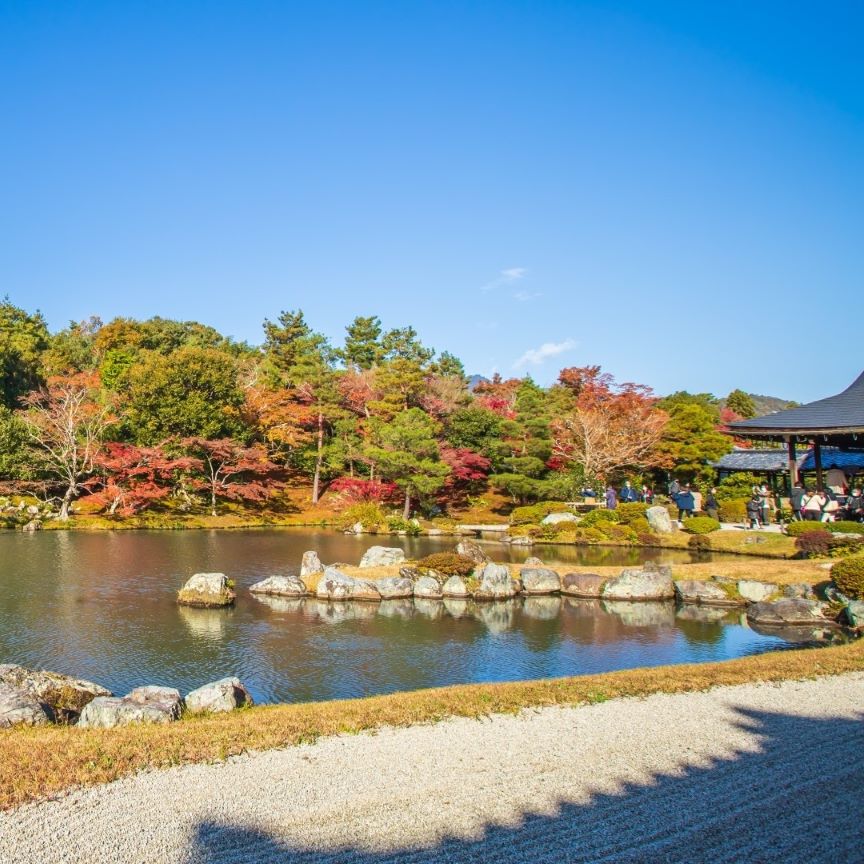
Muso Soseki (1275-1351, 夢想疎石), a monk of the Rinzai School and a gardener, was granted the title of Kokushi (national teacher) by the successive emperors, 7 in total. Emperors, court nobles, shoguns, and warriors turned to the wise and experienced Soseki for advice on governing the nation amid the turbulence of the Northern and Southern dynasties. Soseki designed renowned Zen gardens such as Tenryū-ji and Saihō-ji (Moss Temple), and greatly influenced the gardens of Kinkaku-ji and Ginkaku-ji. >> Read More
Buddhism and Worldly Benefits
During the Muromachi period, Nichiren Buddhism gained popularity among merchants and townspeople by emphasizing the practical benefits of faith in everyday life. Its promise of protection and success in this world appealed to people living in an increasingly commercial society.
Nichiren
Founder of the Nichiren School

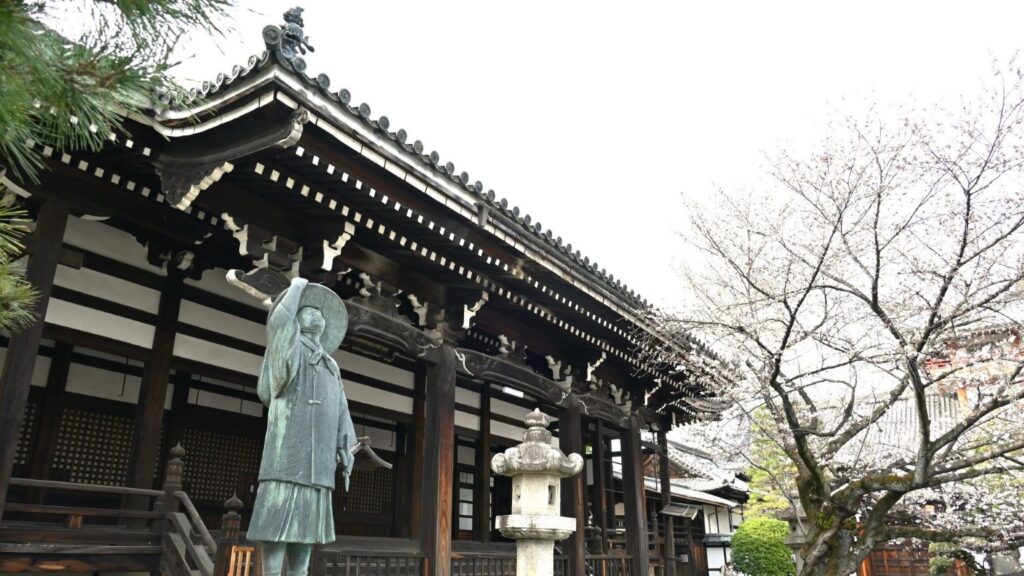
Nichiren (1222-1282, 日蓮) founded the Nichiren School, challenging the conventional Pure Land belief and advocating salvation through faith in the Lotus Sutra in this lifetime. His warnings of national crises, including devastating earthquakes in Kamakura, went unheeded at that time, but his teachings gained widespread acceptance among merchants centuries later. Honpoji Temple in Kyoto preserves the legacy of Nichiren Buddhism. >> Read More
Religious Power and Samurai Rule
As Japan entered the Sengoku period (1467–1590), constant warfare reshaped society and intensified the search for spiritual guidance. Buddhist temples became centers of faith, education, and political influence, with some even challenging the authority of samurai rulers.
Enryakuji Monks
Enryakuji Temple Monks battled three renowned samurai: Ashikaga Yoshinori, the 6th shogun of the Muromachi shogunate (1336~1573), the shogunate's retainer, Hosokawa Masamoto, and Oda Nobunaga. Enryaku-ji boasted enormous economic power through loan sharking and manors, and was also a political power. This led to conflicts and battles with warlords who wanted to separate Buddhism from politics.
Kennyo, Kyono, and Jyunnyo

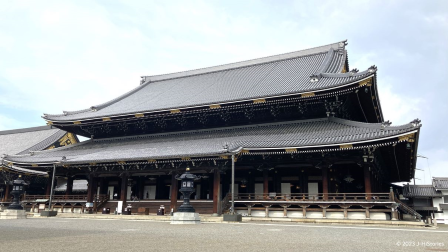
Kennyo (1543-1592, 顕如), the 11th head priest of the Jodo Shinshu School, and his two sons battled Oda Nobunaga for a decade at Osaka Honganji Temple. This divided the school into two entities: East Honganji, under the leadership of Kyonyo (1558-1614, 教如), and West Honganji, under the leadership of Junnyo (1577-1631, 准如). These two temples are situated close together in the city of Kyoto.
Negoro Monks
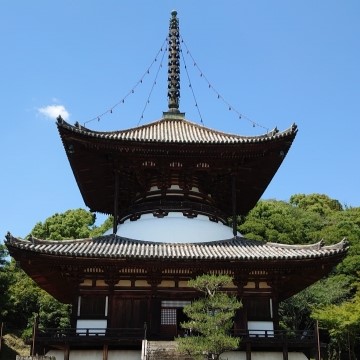
Negoroji Temple in Wakayama gained prominence with its monks and followers. Their gunmen, who mastered gunnery after its introduction via Tanegashima, took a pivotal role during the Warring States Period but fell to Toyotomi Hideyoshi's overwhelming army.
Separating Buddhism from Politics
After centuries of political influence by powerful temples, the Tokugawa shogunate sought to separate religion from government. Tenkai and Suden played key roles in establishing this new relationship, helping lay the foundation for more than 260 years of peace.
Tenkai
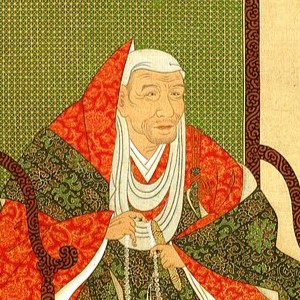
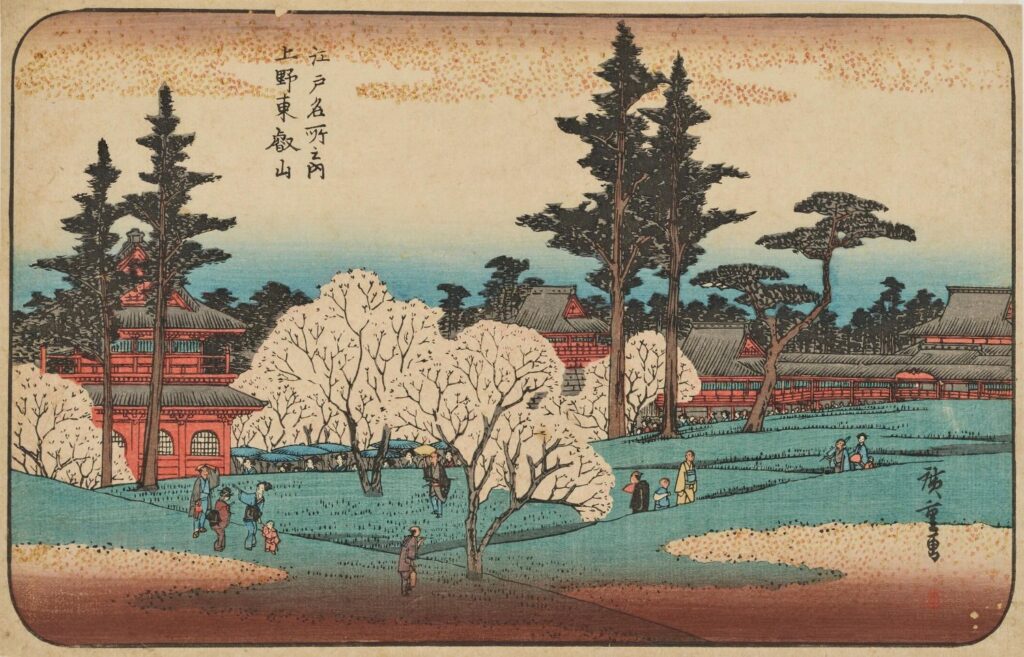
Tenkai (1536-1643, 天海), a prominent priest of the Tendai School, supported Tokugawa Ieyasu in establishing religious and political stability during the early Edo period. He founded Kan'ei-ji Temple in Tokyo at the kimon (demon's gate) of Edo Castle, following the role of Enryaku-ji Temple, which protected the Kyoto Imperial Palace. He also rebuilt Nikko Toshogu Shrine, the guardian deity of the Tokugawa shogunate. >> Read More
Suden
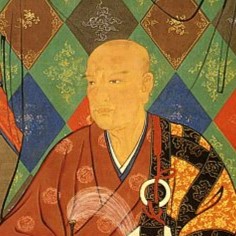
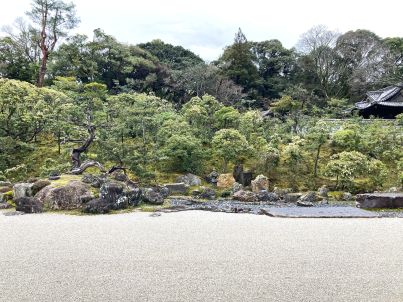
Suden(1569-1633, 崇伝), a prominent Rinzai School priest, was a close advisor to Tokugawa Ieyasu and played a key role in establishing the legal foundations of the Tokugawa shogunate. Based at Konchi-in Temple, a sub-temple of Nanzen-ji Temple in Kyoto, he drafted the Laws for the Military Houses, the Law concerning the emperor and the court nobles, and the Temple Laws, shaping the political order of early Edo Japan. >> Read More
What Are Japanese Buddhists
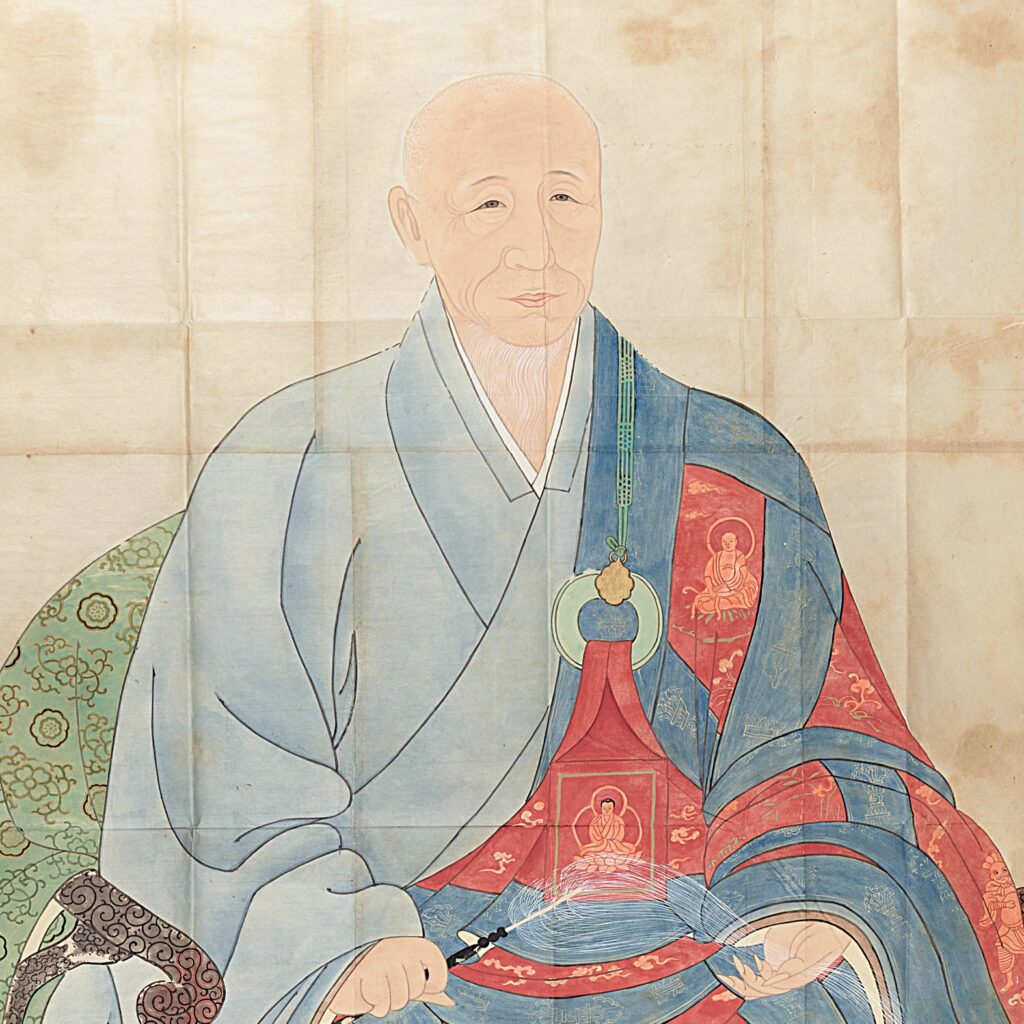
Japanese Buddhist figures were more than religious leaders—they were teachers, reformers, philosophers, political advisors, and sometimes challengers of authority.
Since Buddhism arrived in Japan in 538, it has been adapted to the needs of each era: protecting the nation in times of crisis, seeking personal enlightenment, offering salvation to ordinary people, guiding samurai leaders and shaping warrior values, and influencing society and politics.
Their legacy extends beyond religion, shaping Japan’s history, culture, and way of life. Temples and sacred places across Japan continue to preserve the stories of these remarkable individuals.
Follow the Footsteps of Japanese Buddhists
Explore temples, sacred mountains, gardens, and historical places connected to the lives of Buddhist figures.