
Japanese culture was shaped not only by rulers and warriors, but also by people who transformed how beauty, stories, and craftsmanship were understood.
From masterpieces and cultural treasures to gardens and historical places, discover the figures whose ideas continue to define Japan today.
Explore Cultural Figures
Rinpa School
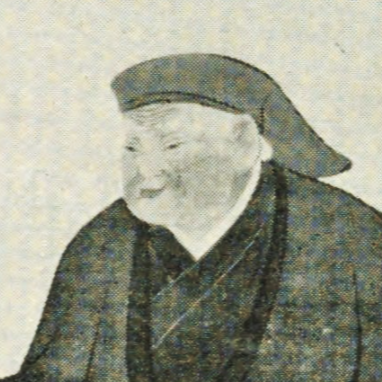
Hon’ami Kōetsu (1558–1637) was an artist and cultural figure active from the late Momoyama period to the early Edo period. Working across diverse disciplines—including calligraphy, ceramics, lacquerware, the tea ceremony, and Noh theatre—he played a formative role in shaping a distinctly Japanese aesthetic.
In particular, his collaboration with Tawaraya Sōtatsu laid the foundation for what later became the Rinpa school. This aesthetic vision found expression in masterpieces such as the Scroll of Thirty-Six Immortal Poets with Crane Underdrawing and continued to influence later generations of Japanese artists.
Tokugawa Art Museum
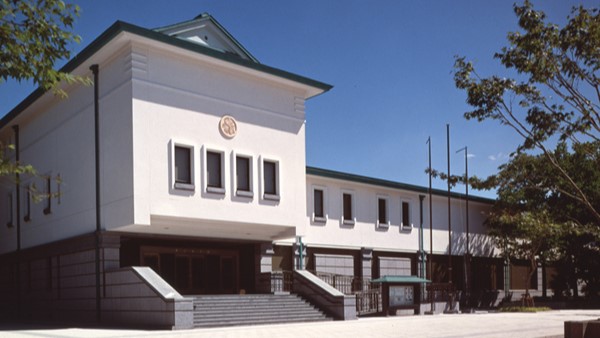
The Tokugawa Art Museum preserves and presents the cultural legacy of the warrior elite, which the Owari Tokugawa family inherited from Tokugawa Ieyasu. Its distinguished collection includes personal belongings of Tokugawa Ieyasu and treasures associated with the shogunal family, featuring masterpieces that represent the pinnacle of Japanese art and craftsmanship, including the National Treasure Hatsune Maki-e Lacquer Furnishings, Sen no Rikyū’s tea scoop Namida (“Tears”), and the Illustrated Handscrolls of The Tale of Genji, alongside an important collection of samurai armor and swords.
Follow the Footsteps of the Cultural Figures
Discover temples, castles, museums, and other places where the stories of the artists remain.