
Castles, temples, shrines, battlefields, and historic towns across Japan still preserve the stories of those who shaped the nation.
Explore historical places and discover the people who once stood there.
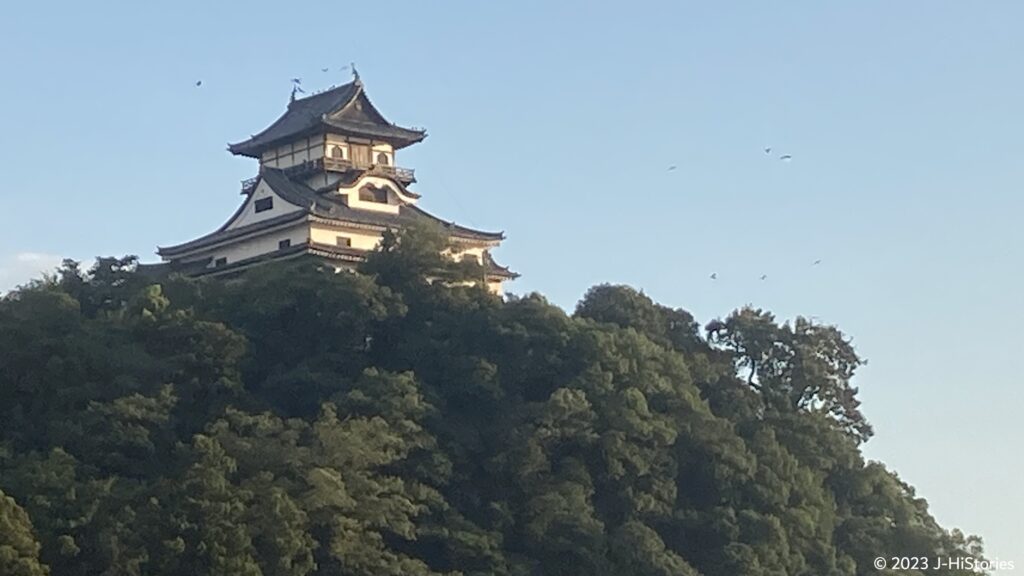
Castles — Samurai Strongholds of Power and Strategy
Castles were more than military fortresses—they embodied the power, ambition, and strategic vision of the samurai.
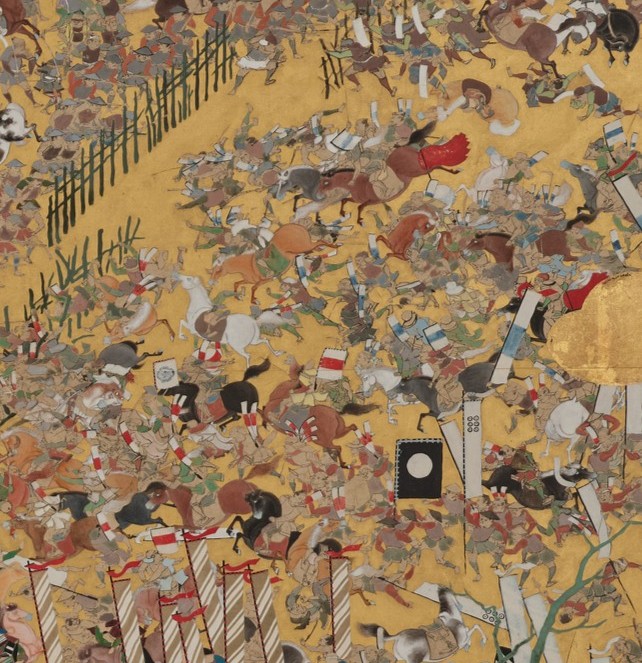
Battlefields — Sites of Historic Conflict and Change
Battlefields were more than places of war—they became turning points shaped by strategy, ambition, and decisive choices. (@ ColBase)
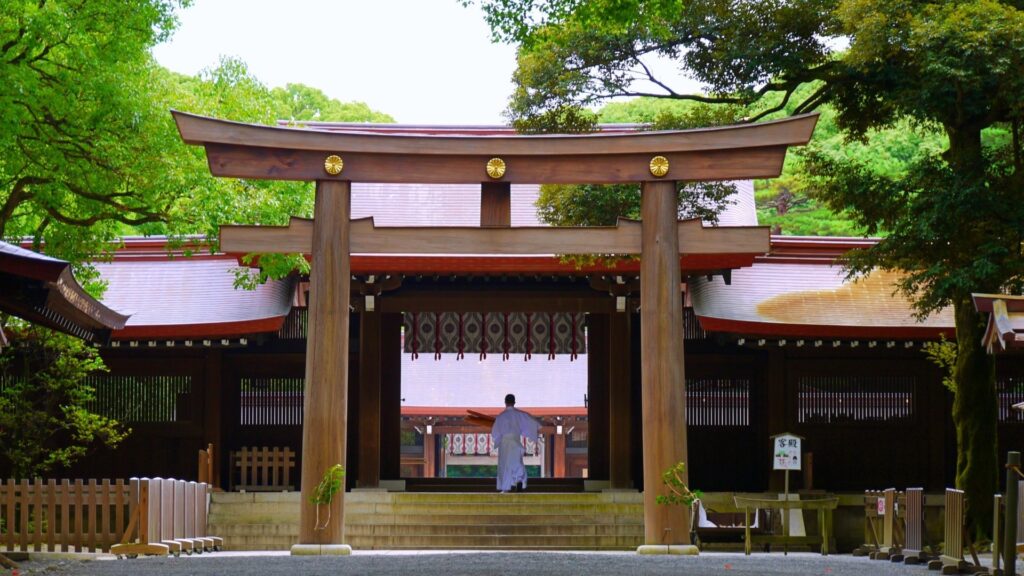
Shrines — Sacred Places of Kami Worship
Shrines reflect Japan’s deep connection with nature through the worship of Kami—the sacred presence believed to dwell in mountains, rivers, wind, and the unseen world.
Temples — Centers of Buddhism and Spiritual Life
Buddhism introduced new views on life, death, and salvation. Temples became centers of worship and culture that shaped Japanese society.
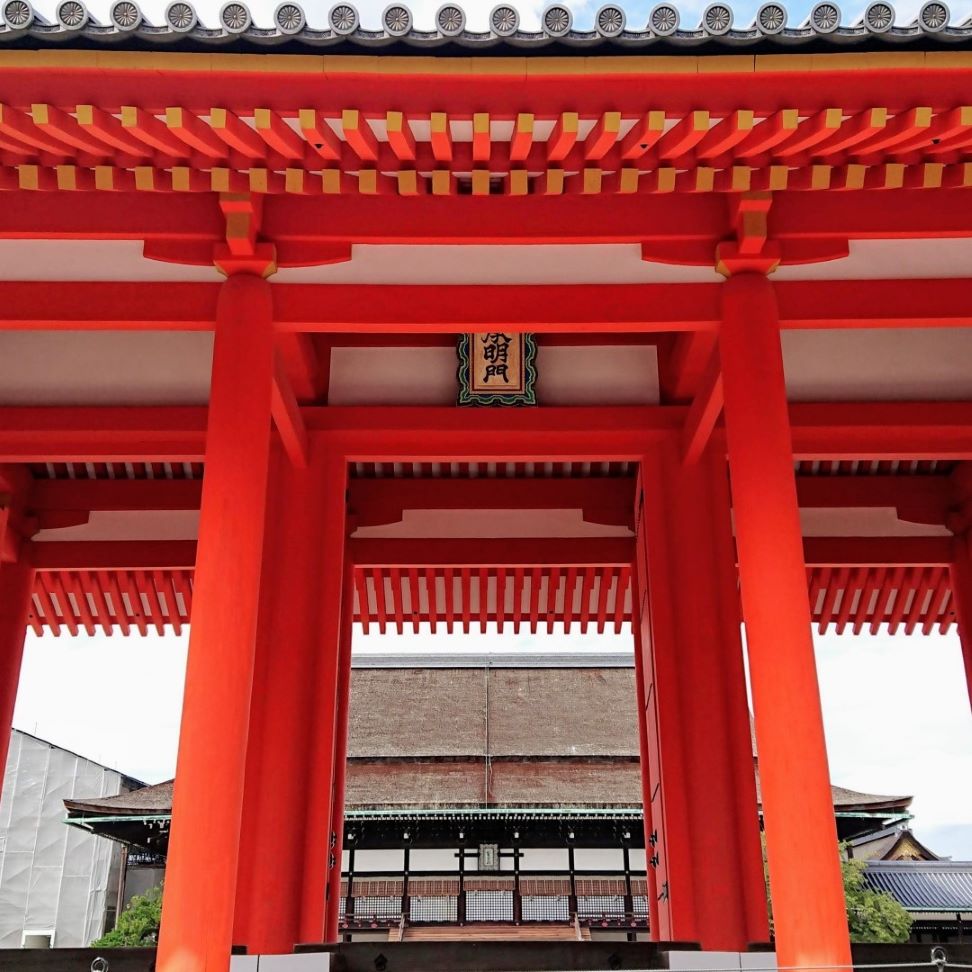
Imperial Palaces & Villas — Living Heritage of the Imperial Court
Imperial palaces and villas reflect more than 1,500 years of imperial continuity, court culture, and aesthetic tradition.
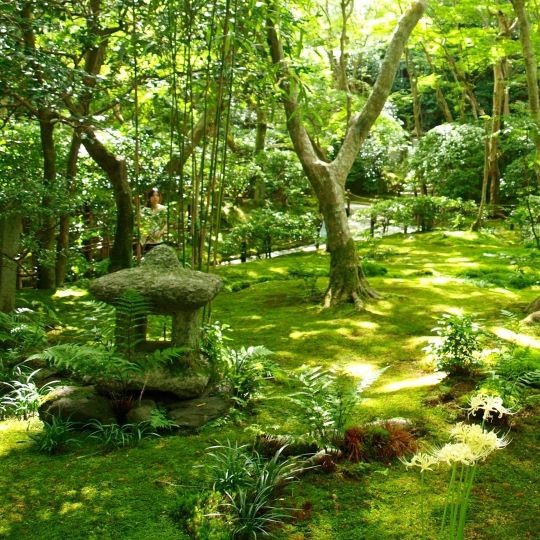
Gardens — Landscapes of Philosophy and Aesthetics
Japanese gardens were more than beautiful landscapes—they expressed religious ideas, philosophy, and Japan’s changing aesthetic ideals.

Festivals (MATSURI) — Celebrations of Gratitude to the Gods
Japan’s festivals are more than seasonal celebrations- they are rooted in the belief in Kami and a close relationship with nature, expressing gratitude for nature's blessings.
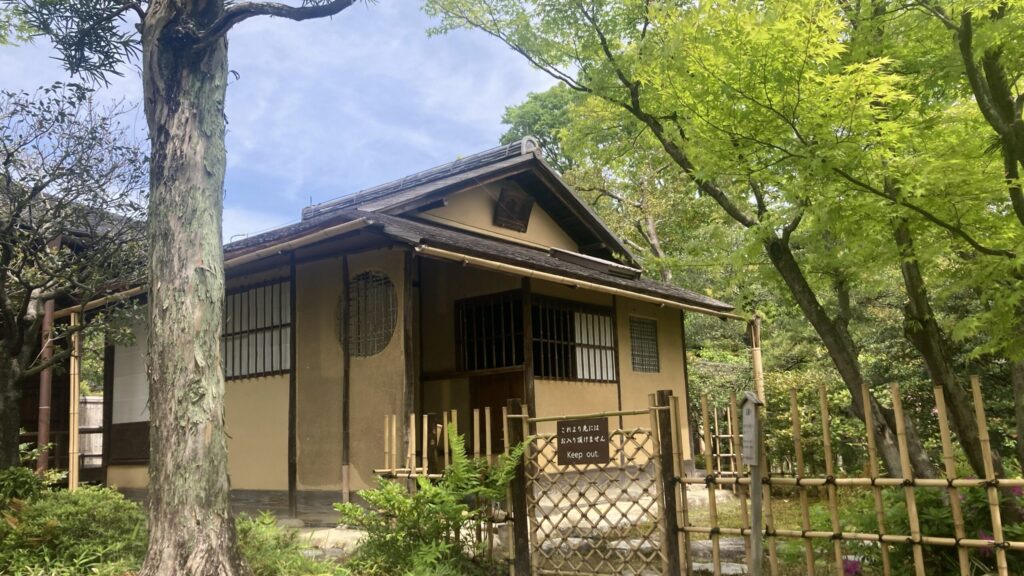
Other Sites — Diverse Places That Shaped Japan’s History
Besides shrines, temples, and castles, Japan is home to many other historic sites, including a National Treasure tea house. Each tells the story of a historical figure.
Featured Historical Sites
Izumo Taisha
- Ancient Faith and the Origins of Japan
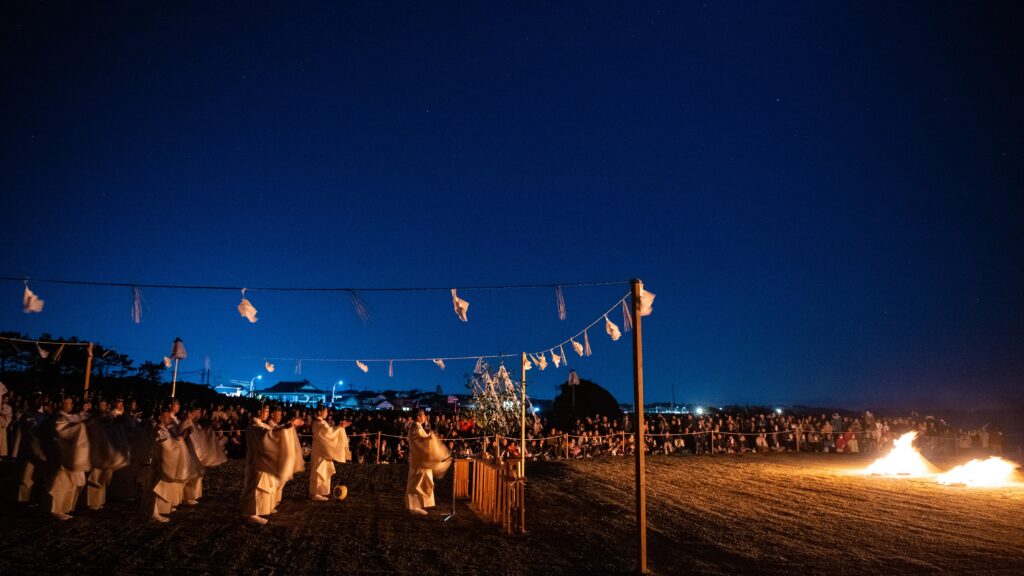
Welcoming all deities from nations at the Inasa-Hama shore for the Kamiari-sai Festival. The deities hold a conference to discuss a person’s peaceful connection with others.
@ Izumo Taisha / 写真提供:出雲大社
Ginkaku-ji
- The Birth of Japanese Aesthetics
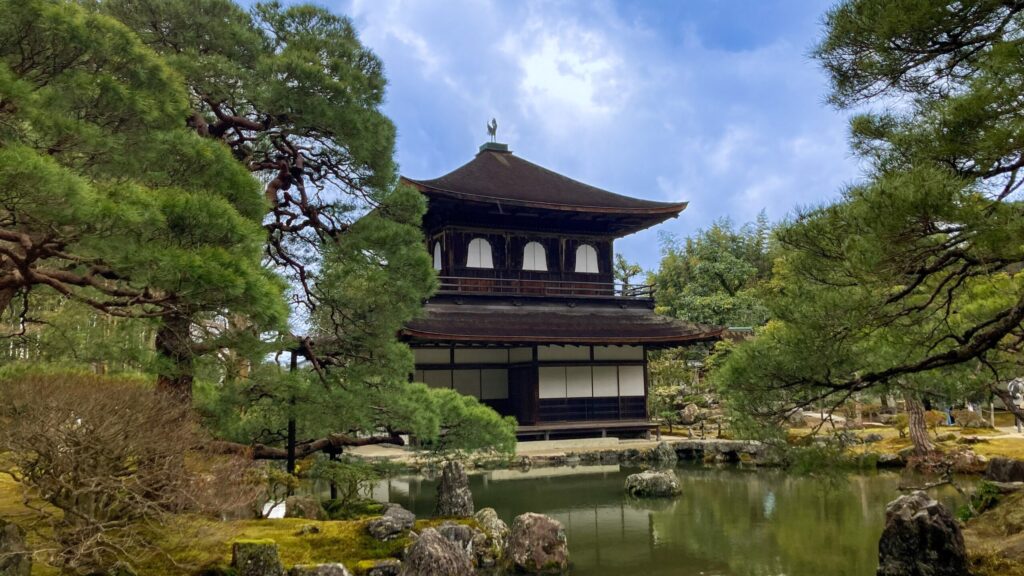
Ginkaku-ji Temple was a Moon-Viewing Temple built by the shogun, Ashikaga Yoshimasa. He failed his politics but was vital in establishing the Higashiyama wabi-sabi Culture.
Hikone Castle
- Life Inside a Samurai Castle
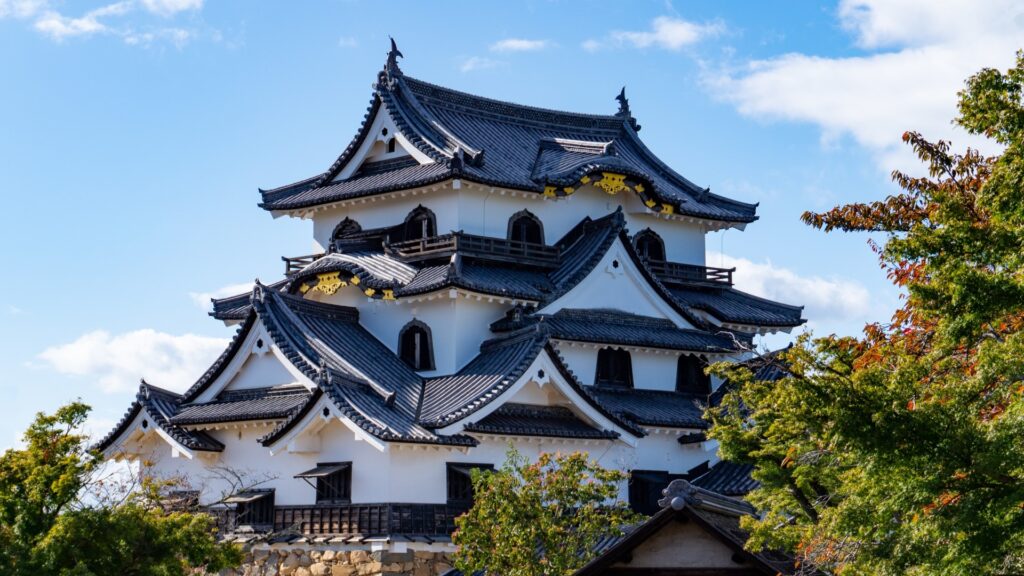
Ii Naomasa, one of Tokugawa Ieyasu’s Four Generals, laid the foundation of the Hikone Domain and its castle through his military achievements and political skill. Today, Hikone Castle still preserves its National Treasure keep.
Why They Are Built and Who Shapes Them
Japan’s historic sites are more than beautiful landmarks — they are the result of political ambition, spiritual belief, and personal vision. From sacred shrines dedicated to ancient deities, to powerful temples that shaped medieval politics, to samurai castles built for war and control, each place was created for a specific purpose.
Explore Japan’s historical places and discover not only why they were built, but also the people who shaped them.