
During the Warring States period (15th–16th centuries), Japanese castles evolved as practical fortresses built for constant warfare. Revolutionary warlords such as Oda Nobunaga transformed simple earth-and-moat defenses into massive stone strongholds, symbolized by Azuchi Castle.
With the arrival of the peaceful Edo period, castles took on a new role. No longer designed only for battle, they became symbols of authority and instruments of deterrence. Their imposing architecture projected power, prevented rebellion, and helped shape a lasting political order.
World Heritage Sites
Nijo-jo Castle
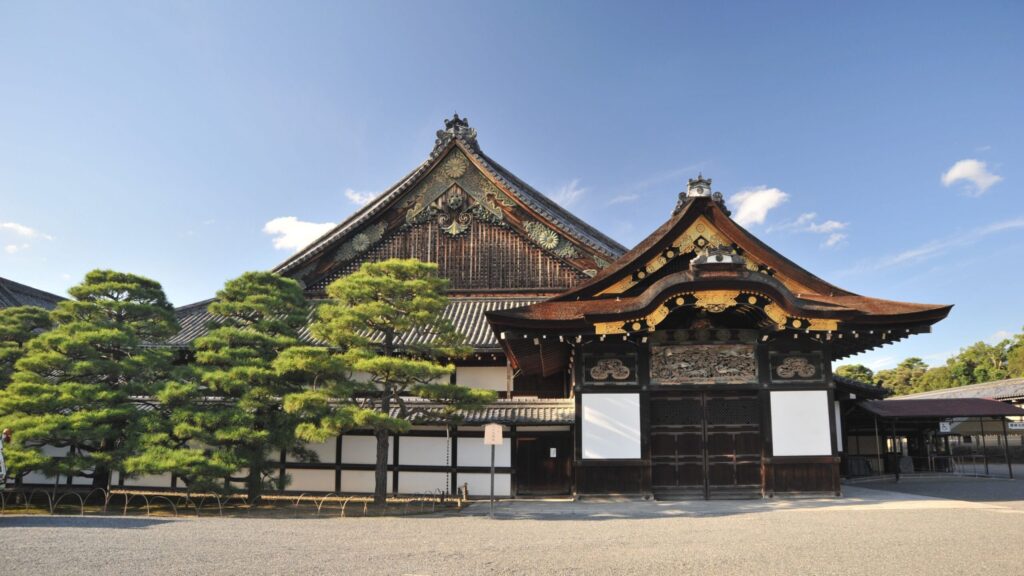
A residence of successive Tokugawa shoguns in Kyoto. What kind of Tokugawa history had the castle witnessed? It was the growth, development, fall, and end of the Tokugawa shogunate.
Himeji Castle
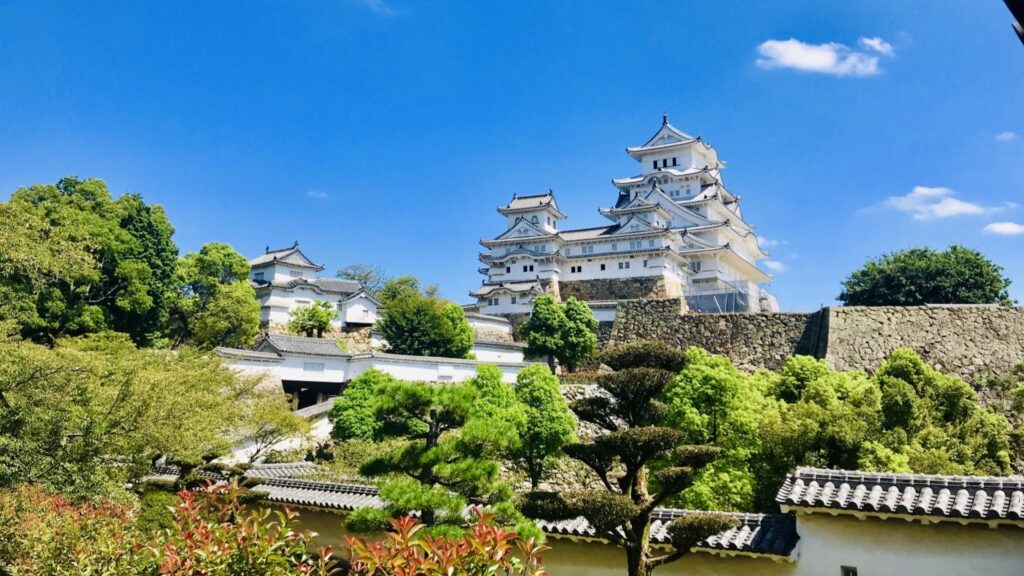
The 1st shogun Tokugawa Ieyasu's desire to "Win without fighting” by overwhelming grace and impregnable defense. Why did Ieyasu renovate this to be so beautiful?
Shuri Castle
National Treasures
Hikone Castle
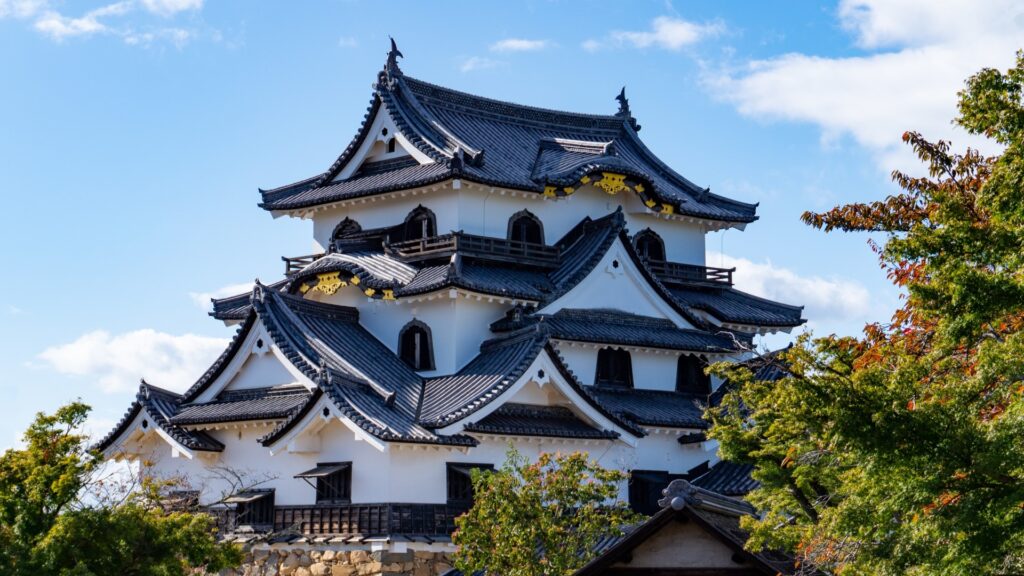
Ii Naomasa, one of the four generals serving Tokugawa Ieyasu, pioneered the Hikoe Domain and its castle with his military prowess and great diplomatic power.
Inuyama Castle
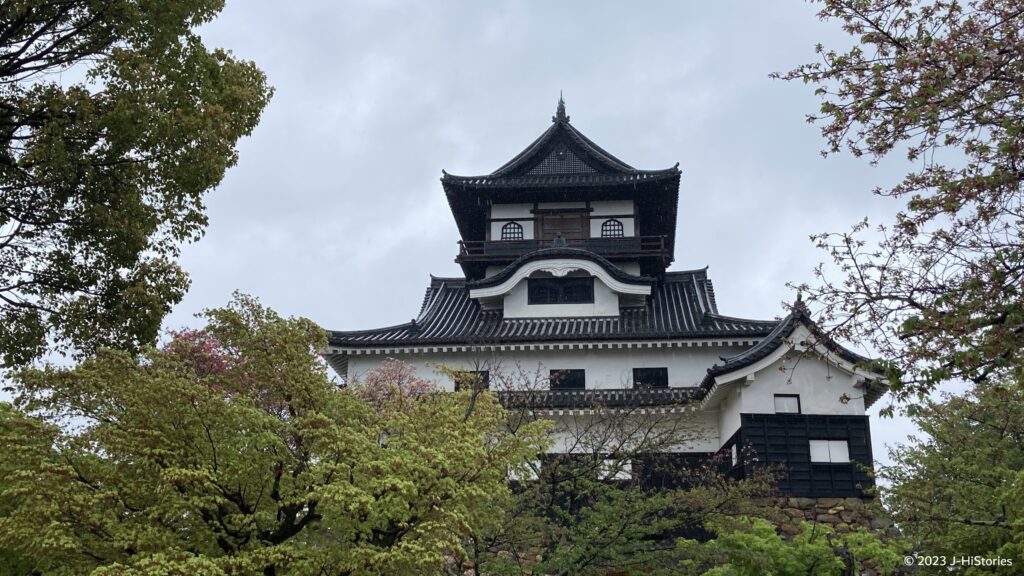
The oldest castle in Aichi Pref. The castle lords, the Naruse clan, supported the Owari Tokugawa Domain & Tokugawa shogunate for over 260 years.
Matse Castle
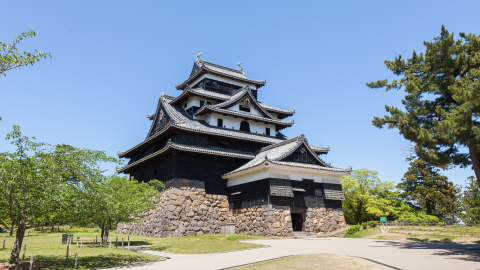
A simple and robust appearance with a calm historical atmosphere. Matsudaira Naomasa, the grandson of Tokugawa Ieyasu, entered the castle in 1638, a strategic point in the west.
Turning point in history
Edo Castle Ruin
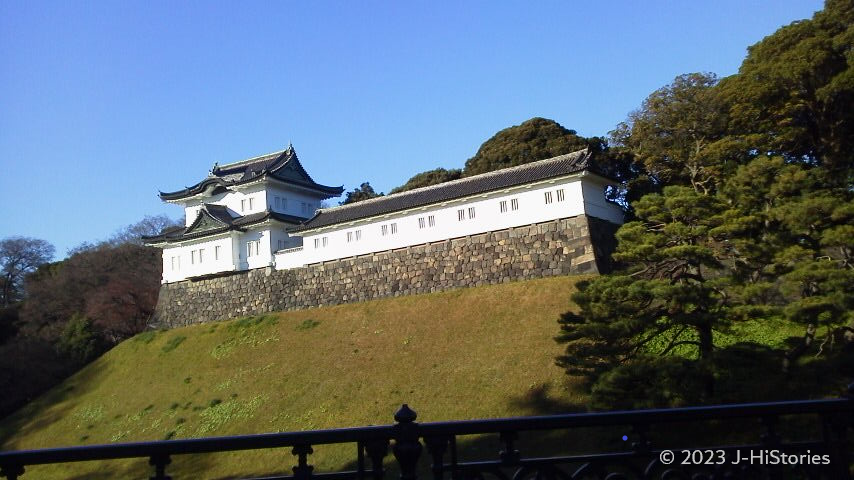
Edo Castle, now the Imperial Palace
The former Tokugawa shogun’s residence. Many people lived tumultuous lives at the end of the Edo Period.
Nagoya Castle
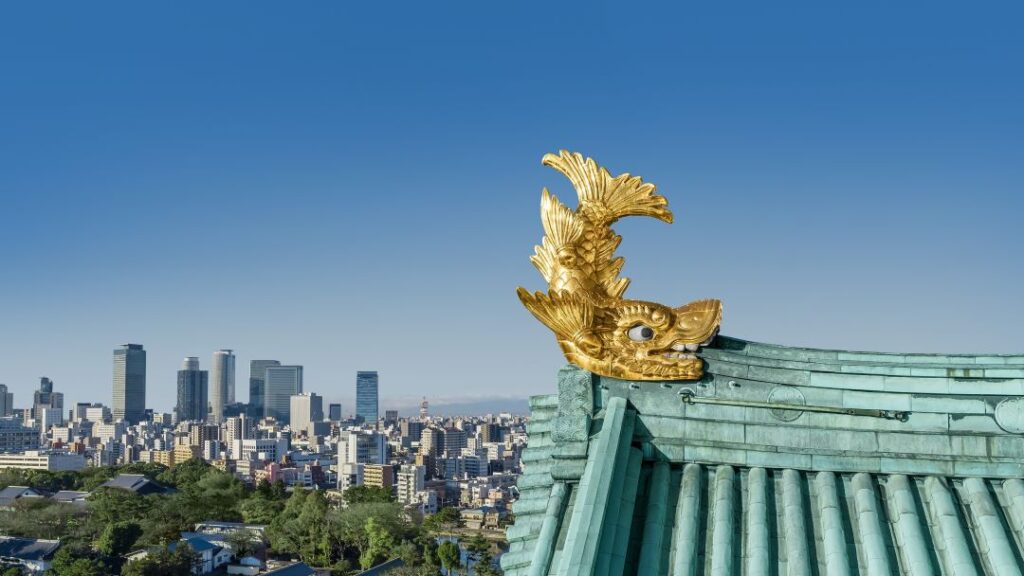
The overwhelming beauty of the wall paintings with gold foil was seen at the Tokugawa Owari's castle. How did the last Lord, Yoshikatsu, decide to side with the Imperial Army rather than the Tokugawa shogunate?
Osaka Castle
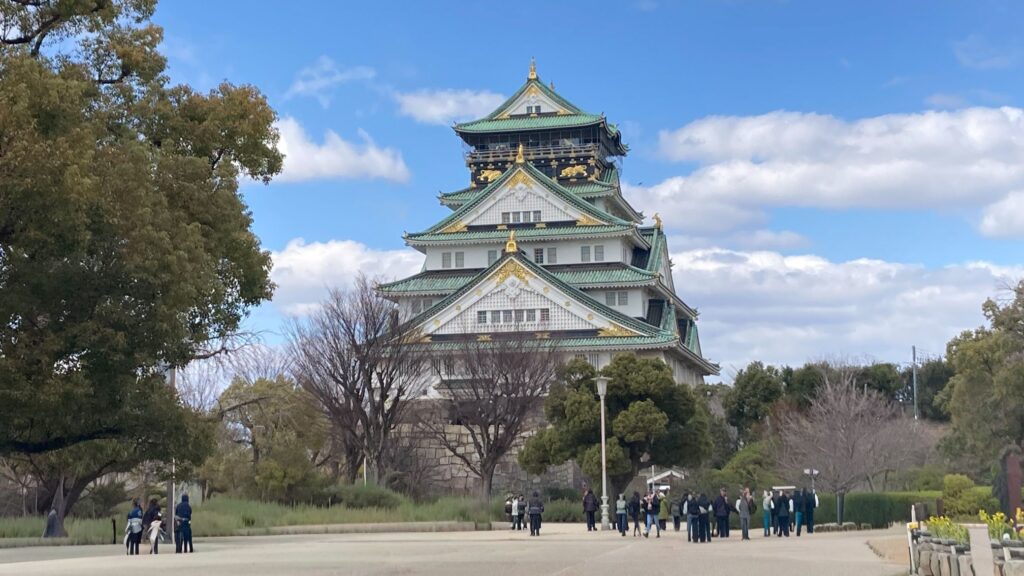
Osaka Castle is located at the critical point for traffic facing Osaka Bay. People in authority, including emperors, Buddhists, and Samurai, wanted this land. What kind of battles occurred to get it?
Gifu Castle
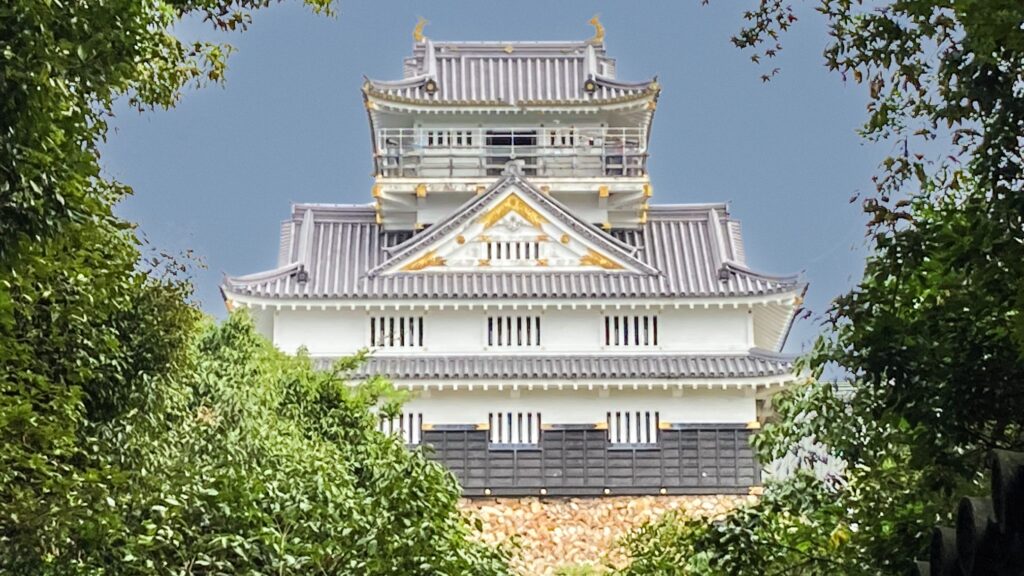
After Countless Battles, Oda Nobunaga proclaimed Tenka Fubu, taking the first steps towards restoring order to the war-torn era.
Odawara Castle
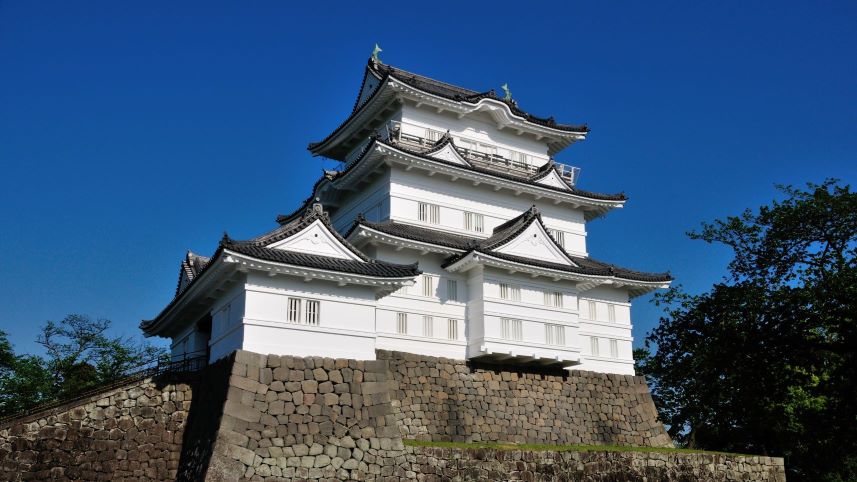
The pioneer warlord, the Hojo Clan has resided in the Kanto region for 100 years. How did the territory and why did it surrender?
(@ Odawara City /小田原市)
Hamamatsu Castle
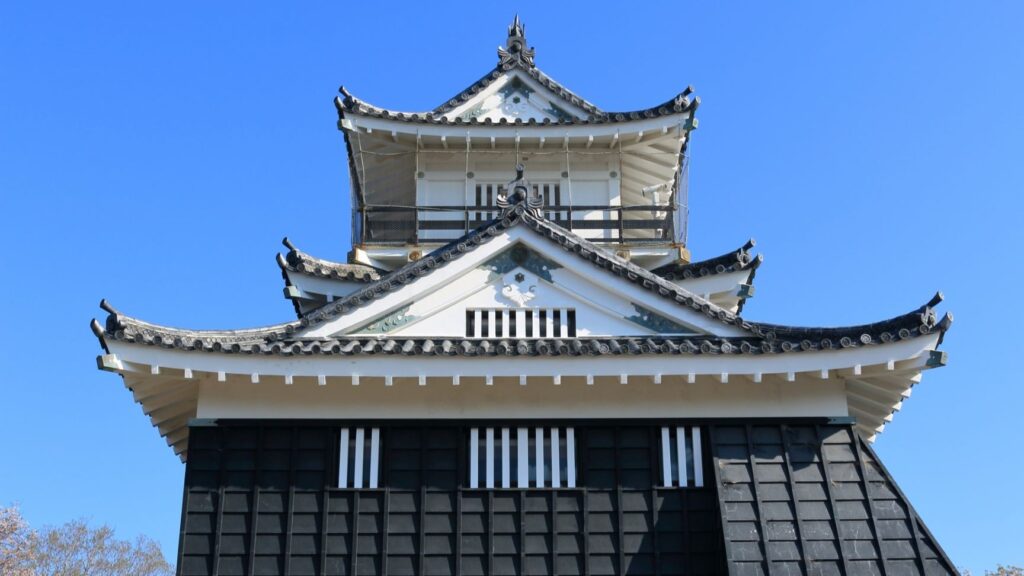
Ieyasu's base to fight against his arch-enemy, Takeda Shingen, to achieve a peaceful era under the alliance with Oda Nobunaga.
Azuchi Castle Ruin
_s-1024x576.jpg)
Oda Nobunaga’s inaugural light-up event at Azuchi Castle celebrated the dawn of a peaceful era.
(Courtesy of Ōmihachiman City; reconstruction design of the main keep supervised by Akira Naitō. Produced by TOPPAN Inc.)
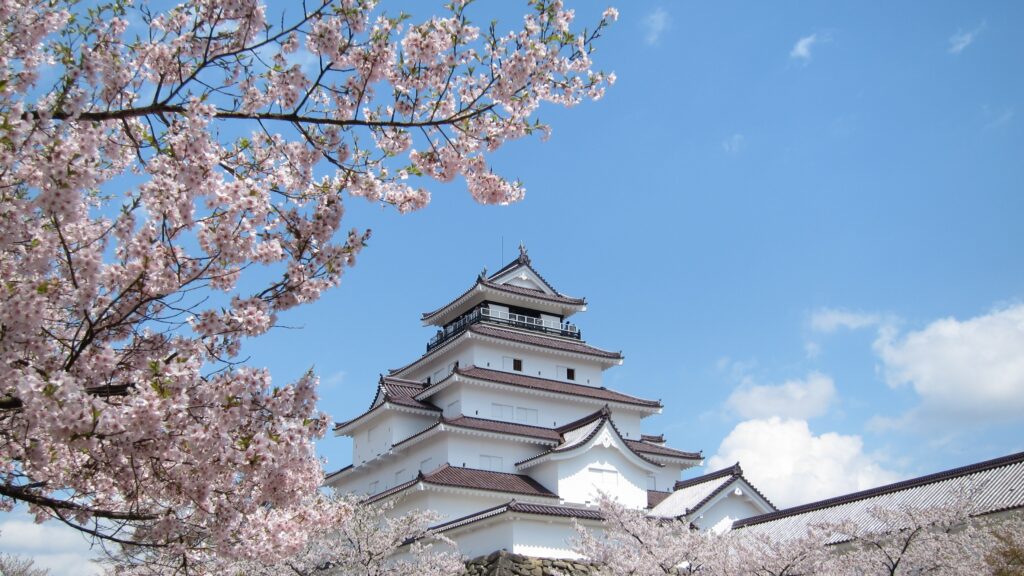
Goryokaku Fort
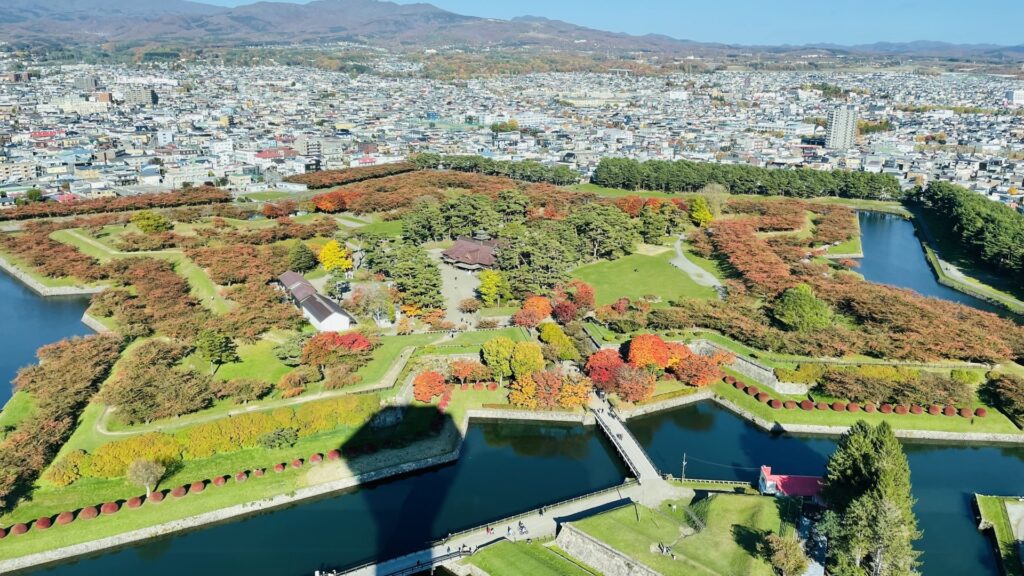
The final Battle Base of the Boshin War. The Last Samurai, Hijikata Toshizo, fought bravely with his leadership and strategy
Matsusaka Castle Ruin
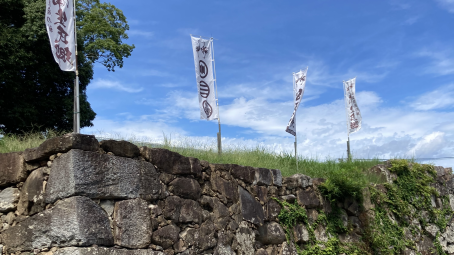
Matsusaka Castle was built by Gamo Ujisato, a great in martial arts and scholarship, and admired by Oda Nobunaga and Toyotomi Hideyoshi.
Himeji Castle
A World Heritage Site, the 1st shogun Tokugawa Ieyasu's desire to "Win without fighting” by overwhelming grace and impregnable defense.
Okazaki Castle
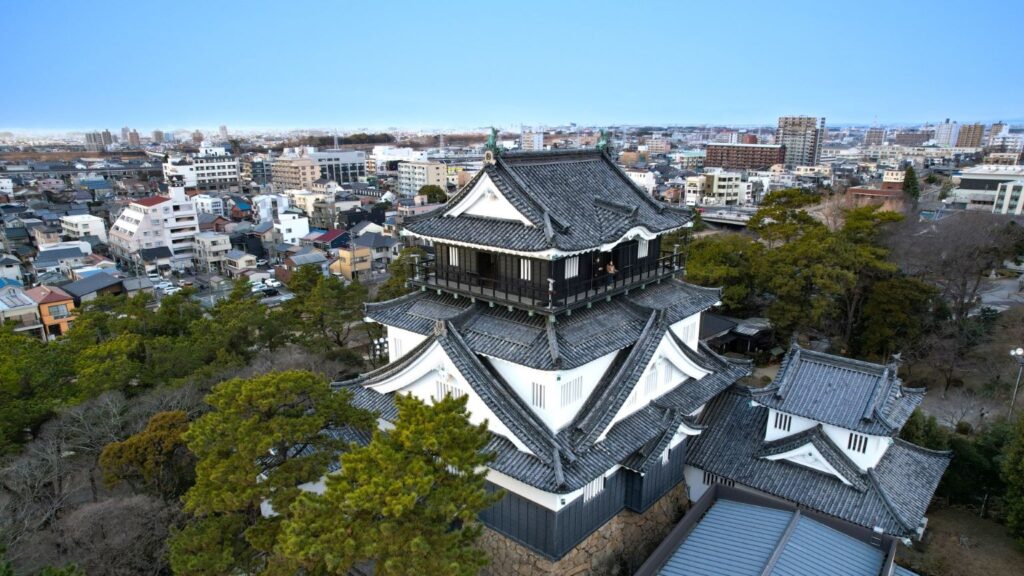
Tokugawa Ieyasu's home castle. Born during the turbulent Warring States period, Ieyasu's life started under hardship as a hostage
Wakayama Castle

A Keystone of Sea Transportation along the Kii Peninsula. It was built during the transition from Military to Civilian Rule at the beginning of the Edo period.
Ueda Castle
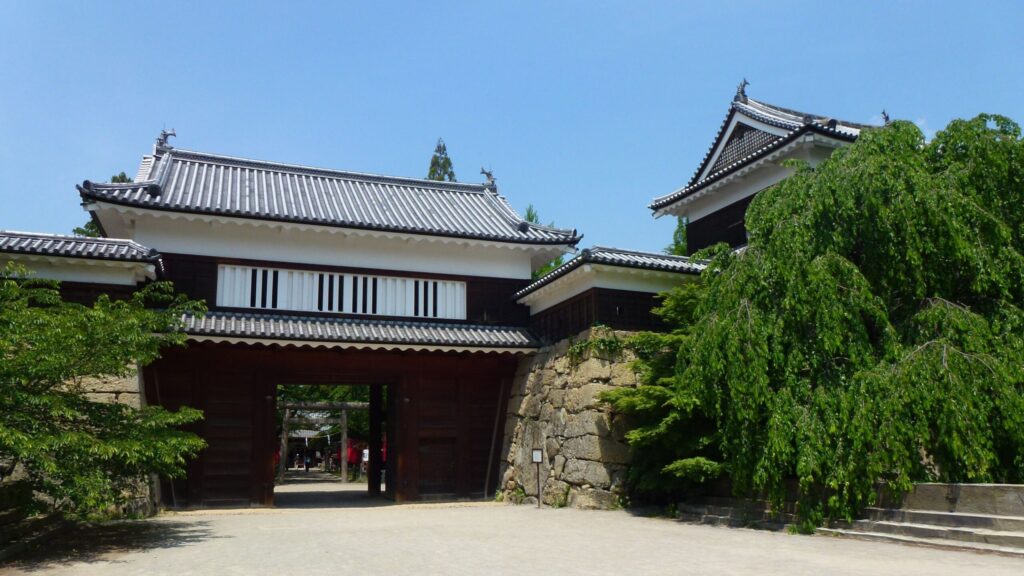
Ueda Castle was built by the strategic warrior, Sanada Masayuki. It's renowned for repelling the overwhelming Tokugawa forces twice.