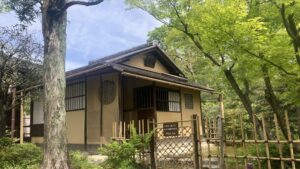
Lord of Hiroshima Castle: Mori Terumoto Bet It All at Sekigahara
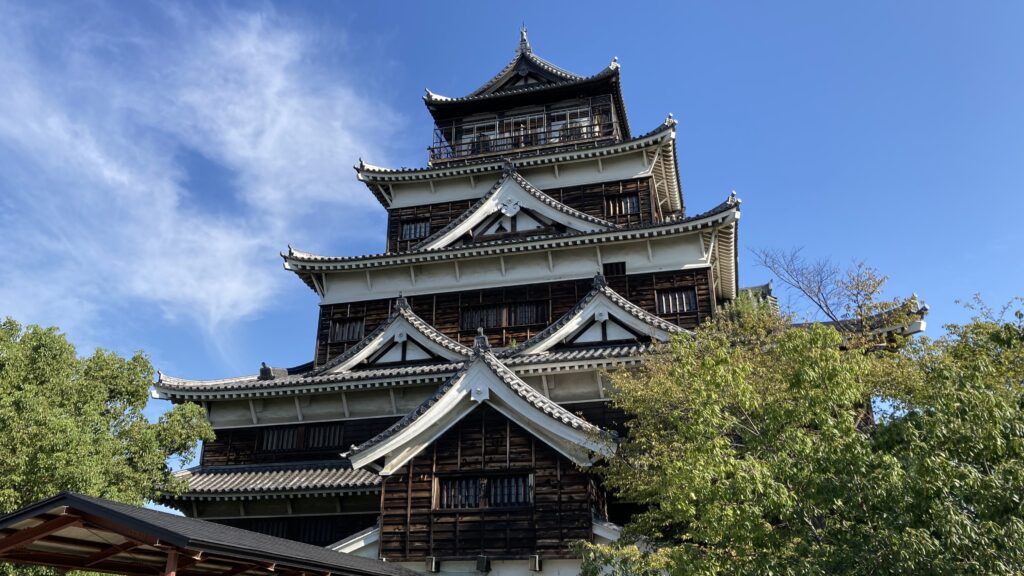
On July 19, 1600, Lord of Hiroshima Castle, Mori Terumoto (1553–1625, 毛利輝元), rode into the Nishi-no-maru compound of Osaka Castle — barely a week after receiving a letter from Ishida Mitsunari, one of the Toyotomi regime's Five Commissioners, asking him to take command of the Western Army. At the time, Terumoto ruled eight provinces of the Chugoku region, worth some 1.12 million koku of rice, and sat among the Five Elders entrusted with protecting Hideyoshi's young heir, Hideyori.
Why would a man holding such an unassailable position move so fast, and so decisively, against Tokugawa Ieyasu — the single most formidable power broker of the age? To understand that, we need to go back to how Terumoto was raised, and what he had spent his life afraid of losing.
In This Story
- The real reason an eleven-year-old head of the Mori clan fought his own grandfather's retirement
- How Terumoto, tempered by wars against Nobunaga and diplomacy under Hideyoshi, rose to rule over 1.2 million koku as one of the Five Elders
- At Sekigahara, why Terumoto chose to fight for victory while Hiroie chose to protect the Mori clan's fate
The Eleven-Year-Old Lord
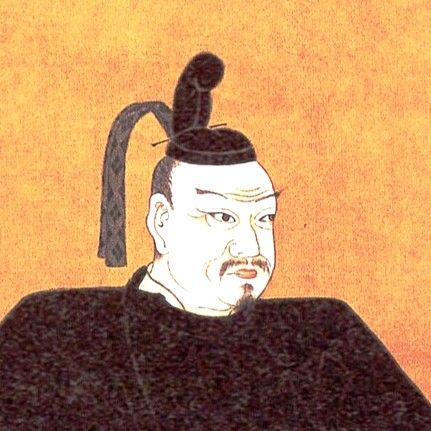
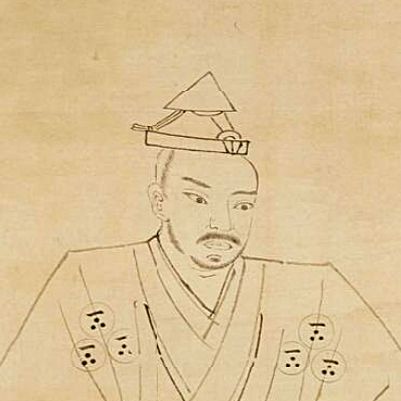
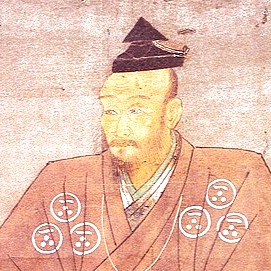
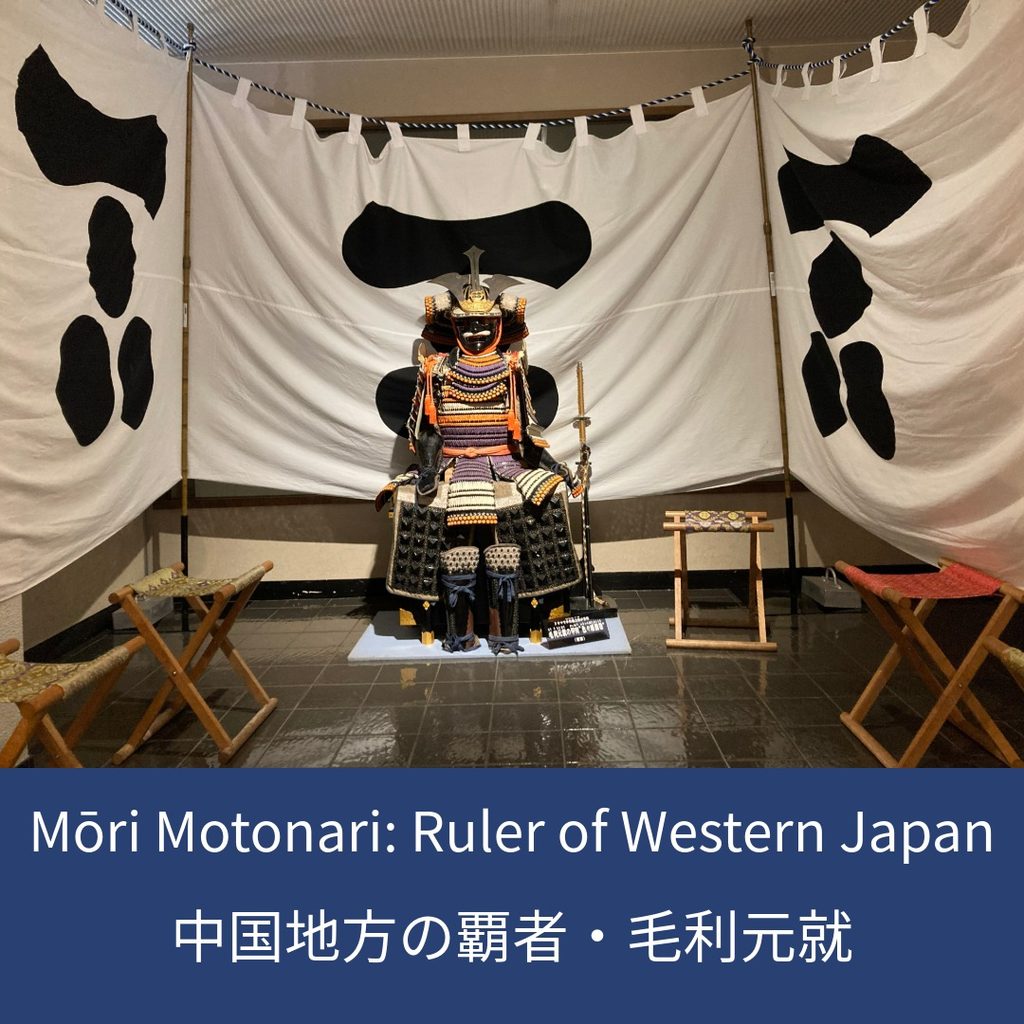
Mori Terumoto was the grandson of Mori Motonari (1497–1571, 毛利元就), the man who had built the Mori into one of the great warlord houses of western Japan. His father was Motonari's heir, Mori Takamoto (1523–1563, 毛利隆元) — but Takamoto died suddenly when Terumoto was just eleven, thrusting the boy into leadership of the entire clan. (画像:東京大学史料編纂所)

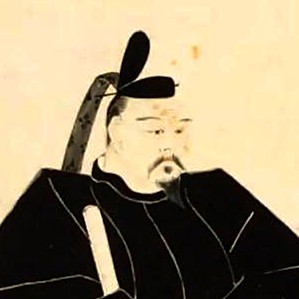
@NDL 肖像集
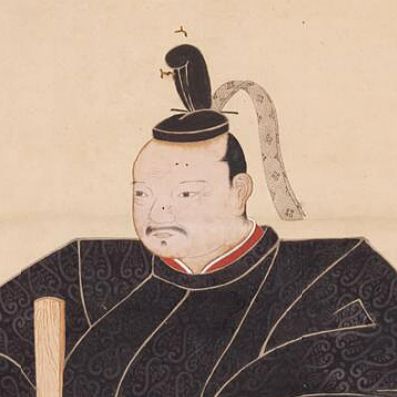
@東京大学史料編纂所
Terumoto was propped up by his grandfather Motonari and Motonari's two other sons, Kikkawa Motoharu (1530-1586, 吉川元春) and Kobayakawa Takakage (1533-1597, 小早川隆景). Motonari gradually handed over authority to his grandson, but around Terumoto's fifteenth year, he tried to step back from politics altogether. Terumoto fought this bitterly. In a letter to Motonari, he wrote that even if his grandfather forced the retirement through, he himself would follow him into it.
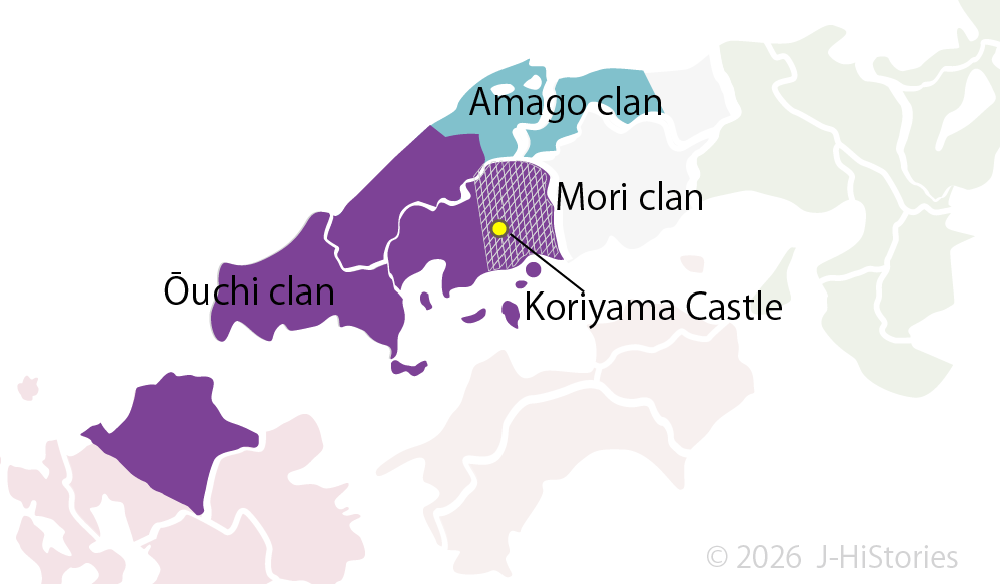
Why would a fifteen-year-old dread his grandfather's retirement so much? The answer lies in the world the Mori had clawed their way up from. Before Terumoto was born, the provinces of Aki and Bingo (today's Hiroshima Prefecture) were splintered among more than a dozen local lords, squeezed between two great powers — the Amago to the north and the Ouchi to the west — and constantly forced to choose sides. The Mori themselves had started as just one such local lord. It was Motonari who changed that: combining diplomacy, marriage alliances, and military coalition-building, he defeated Sue Harukata, the man who controlled the Ouchi, at the Battle of Itsukushima in 1555, then destroyed the Ouchi outright in 1557 and the Amago in 1566 — turning the Mori into the dominant power across most of the Chugoku region.
Terumoto himself wrote, in his own hand, that a boy who had inherited leadership so young could hardly call himself a true head of the Mori. If Motonari — the towering figure who had built it all — stepped away, could Terumoto really hold the local lords together and run the domain himself? That fear, more than anything, was almost certainly what drove him to resist his grandfather's retirement so fiercely.
Confronting Nobunaga, Then Bowing to Hideyoshi
In 1571, Oda Nobunaga (1534-1582, 織田信長) sent a joint letter to Motonari and Terumoto, warning them about their shared enemy, the Miyoshi clan. At the time, the Mori were mopping up remnants of the Amago and Ouchi, who were being backed by the Miyoshi, and since Nobunaga saw the Miyoshi as a threat too, the two houses found common ground. But twenty-eight days later, Motonari died at seventy-five. At eighteen, Terumoto now had to lead the Mori entirely on his own.
In February 1576, the shogun Ashikaga Yoshiaki (1537-1597, 足利義昭) — driven out of Kyoto by Nobunaga — took refuge in Tomo, in Mori territory in Bingo province. Terumoto was cautious at first, wary of provoking Nobunaga. But as Nobunaga's encroachments on Mori lands deepened his suspicion, Terumoto finally took Yoshiaki under his protection, broke with Nobunaga, and allied himself with the anti-Nobunaga coalition — Uesugi Kenshin (1530-1578, 上杉謙信), Takeda Shingen's son, Katsuyori (1546-1582, 武田勝頼), and the Osaka Honganji temple.
A Mori fleet under the command of Kobayakawa Takakage defeated the Oda navy at the mouth of the Kizu River in Osaka Bay and successfully resupplied the besieged Honganji, but lost a second naval battle to Oda ironclad ships. As Hashiba (later Toyotomi) Hideyoshi's forces tightened their grip — through the siege of Kozuki Castle, held by Amago loyalists, and the fall of Tottori Castle — pressure on the Mori mounted, and in 1582 Hideyoshi flooded Bicchu Takamatsu Castle, the eastern anchor of Mori territory. Terumoto marched to relieve it alongside Motoharu and Takakage, but couldn't break Hideyoshi's siege lines. In the middle of the standoff, on June 2, Nobunaga was killed at Honnō-ji in Akechi Mitsuhide's coup. Hideyoshi, concealing Nobunaga's death, offered the Mori startlingly generous peace terms to rush back to Kyoto, and they struck a truce on June 4. When Terumoto learned the truth soon after, many in his camp urged him to pursue and destroy Hideyoshi's army, but Terumoto held back, deferring to Takakage's argument that breaking a sworn truce would betray honor.
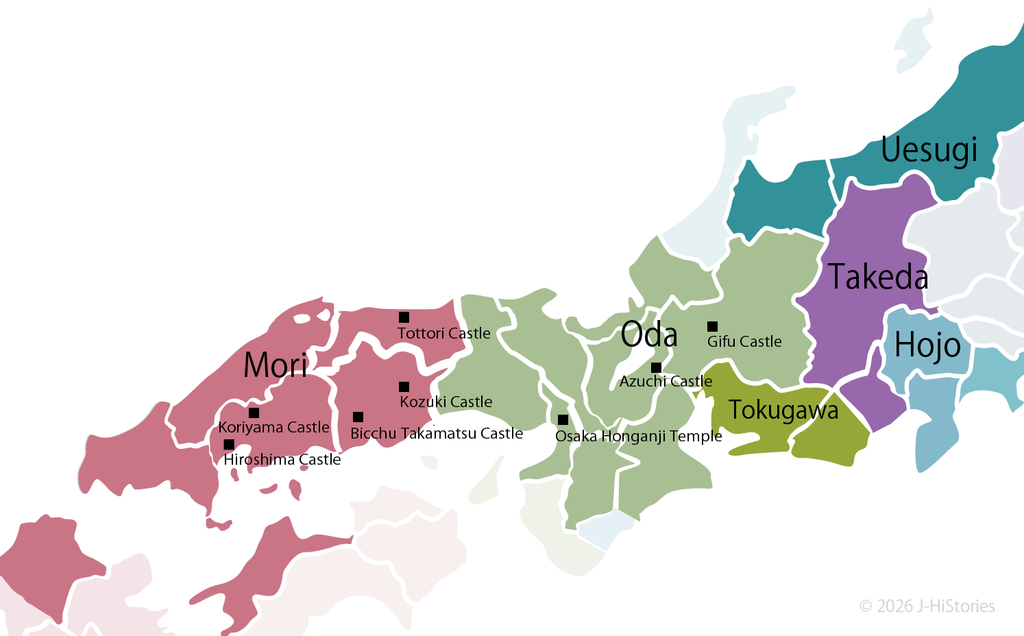
After Honnō-ji, Hideyoshi moved to unify the country, pressing the Mori to settle their borders while dangling the threat of renewed invasion. In 1585, the Mori were confirmed in seven provinces — Aki, Bingo, Suō, Nagato, Iwami, Izumo, and Oki — plus parts of Bitchu and Hoki, preserving most of what Motonari had built and giving Terumoto a domain worth over 1.2 million koku. Terumoto went on to support Hideyoshi's campaigns in Kii, Shikoku, and Kyushu, and in 1588 formally submitted to him at the Jurakudai palace in Kyoto. Inspired by what he'd seen there and at Osaka Castle, he returned home and began building a new base at Hiroshima, moving into Hiroshima Castle in 1591. From 1592, Terumoto, Takakage, and Motoharu's heir Hiroie led over 30,000 troops in Hideyoshi's invasions of Korea. In time, Terumoto rose to become one of the Five Elders supporting the Toyotomi regime — second only to Tokugawa Ieyasu (1543-1616, 徳川家康), ruling 1.12 million koku across the Chugoku region, and entrusted with protecting Hideyori himself.
Terumoto’s Turning Point at Sekigahara
That position collapsed in 1600, at Sekigahara.
As Ieyasu's influence within the Toyotomi regime grew, Ishida Mitsunari, one of the Five Commissioners, organized a coalition against him and raised Terumoto as its figurehead. Terumoto received a formal request dated July 12 to come to Osaka and assume command of the Western Army. Only a week later, on July 19, he entered the Nishi-no-maru of Osaka Castle. The unusually rapid journey from Mori territory to Osaka suggests that Terumoto had anticipated the uprising and prepared in advance. In parallel, he sought to expand Mōri territory into Shikoku and northern Kyushu, further extending his influence across western Japan.
The Battle of Sekigahara itself was over in a single day, a decisive win for Ieyasu's Eastern Army. The Mori had positioned roughly 15,000 troops on Mount Nangu, in a spot from which they could have caught the Eastern Army in a pincer — and never moved a man for the entire battle.
Why did Terumoto decide to fight Ieyasu at all? And why did the huge Mori force on Mount Nangu sit motionless through the whole battle? The answers to both questions lie not with Terumoto himself, but with two other men in the Mori house — one whose letter set Terumoto in motion, and another who reached the opposite conclusion and worked quietly behind the scenes to undo it.
The Letter That Encouraged Terumoto
Behind Terumoto's decision to accept the request to become supreme commander of the Western Army was the influence of Ankokuji Ekei, a Buddhist monk who served the Mori as a diplomatic adviser. After Kobayakawa Takakage — a pillar of the Toyotomi regime who had Hideyoshi's deep trust — died, Ekei grew close to Ishida Mitsunari and moved closer to the heart of the Toyotomi government.
At the same time, Terumoto, head of the Mōri clan with more than 1.12 million koku, grew increasingly confident in his role as daimyo of western Japan. In Hideyoshi’s later years, a plan was even proposed for Ieyasu to oversee the east and for Terumoto and Takakage to oversee the west. Yet Terumoto’s rule remained constrained by his illustrious grandfather, Mori Motonari, and his uncles. After Motonari and Motoharu died, followed by Takakage in 1597, Terumoto’s ambition began to emerge.
In a letter to a senior Mori retainer, Ekei warned that if Ieyasu were allowed to monopolize power, both the Toyotomi house and the Mori would inevitably be destroyed — and that Terumoto's coming to Osaka was the only path left to save the Toyotomi and cement the Mori's place as a pillar of the realm. For Terumoto, this was more than a call to protect the Toyotomi house: leaning on the strength of a 1.12-million-koku domain to protect Hideyori was an opportunity to demonstrate his power as the Mori at the very center of power, rather than under Ieyasu's shadow. Therefore, Terumoto chose to confront Ieyasu — betting everything on a Toyotomi victory.
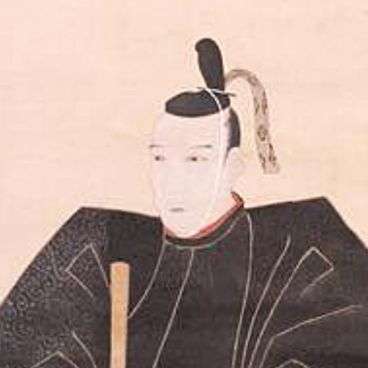
Kikkawa Hiroie's: A Path to Preserve the Mori Clan
@東京大学史料編纂所
Meanwhile, the Mori forces led by Mori Hidemoto, Kikkawa Hiroie, and Ankokuji Ekei fought across several fronts. At Fushimi Castle in Kyoto, a Western Army roughly 40,000 strong struggled against a garrison of barely two thousand Tokugawa defenders fighting to the death and suffered heavy losses in the process. During this time, Hiroie and others were tasked with strengthening the defenses at Seta Bridge, which was regarded as a defensive line against the Eastern Army’s advance west.
At Anotsu Castle in Mie Prefecture, the pattern repeated: a Western force 30,000 strong assaulted roughly 1,700 Eastern defenders, and Hiroie’s own three thousand men charged in among the first. They fought fiercely, but his direct retainers alone suffered 54 dead and 161 wounded, badly degrading his fighting force. The heavy losses at Fushimi and Anotsu, the fall of Gifu Castle, and news that Ieyasu’s main army was marching west deepened Hiroie’s doubts about whether the Western Army could actually win. He began looking for a way to protect the Mori clan. Facing a resurgent Ieyasu who was steadily drawing battle-hardened Toyotomi commanders into his own camp, Hiroie—a man who had just fought two brutal engagements—chose not victory, but survival. He opened a secret channel to Ieyasu, offering non-engagement in exchange for a guarantee that Mori lands would be spared. That secret pact is why the Mori army on Mount Nangu never moved.
Betting on Victory, Betting on Survival
@萩市観光協会
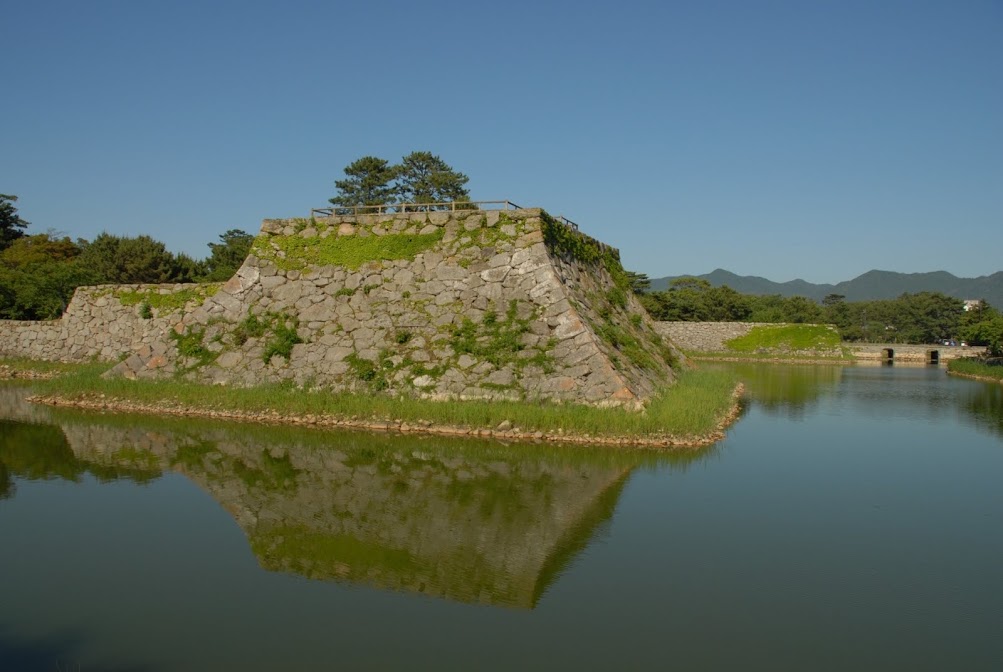
After the battle, once it became clear that Terumoto had been deeply involved as the Western Army's commander-in-chief — and had even pushed to expand Mori territory into Shikoku and Kyushu — Ieyasu revoked his earlier promise to spare Mori lands. The clan's holdings were slashed from eight Chugoku provinces to just two, Suo and Nagato, and its rice yield collapsed to under 300,000 koku. Even so, Terumoto rebuilt: he founded Hagi Domain and built Shigetsu Castle, known as Hagi Castle, and its castle town, stabilized relations with the new Tokugawa shogunate, and kept the Mori alive as a daimyo house all the way to the Meiji Restoration.
The contrast between Terumoto and Hiroie is a reminder that even an organization that looks unified from the outside can contain leaders who read the same crisis in opposite ways. Terumoto bet on pressing forward and staying at the center of power; Hiroie bet on pulling back to preserve the core of what the clan had built. Both decisions came from the same sense of responsibility to the house — yet it was Hiroie's, the quieter and less glamorous of the two, that ultimately kept the Mori alive. The domain Terumoto founded at Hagi — the Choshu domain — endured for more than 260 years, all the way to the Meiji Restoration.
Mori Terumoto's Timeline
| 1553 | Born in Yoshida-Koriyama Castle. | 1 |
| 1563 | Succeeded as family head after his father's sudden death. | 11 |
| 1565 | Renamed to Terumoto and celebrated his coming-of-age (Genpuku). | 13 |
| 1566 | Defeated the Amago clan at Gassantoda Castle. | 14 |
| 1570 | Defeated the Amago revival army at the Battle of Nunobeyama. | 18 |
| 1571 | Grandfather Motonari passed away; took full control of governance. | 19 |
| 1576 | Protected Shogun Ashikaga Yoshiaki; began conflict with Oda Nobunaga. | 24 |
| 1576 | Won the First Battle of Kizugawaguchi against Osaka Honganji | 24 |
| 1578 | Lost the Second Battle of Kizugawaguchi against Osaka Honganji | 26 |
| 1578 | Captured Kozuki Castle and defeated Yamanaka Yukimori. | 26 |
| 1582 | Battle of Bitchu Takamatsu Castle; made peace with Hashiba Hideyoshi. | 30 |
| 1585 | Participated in the Invasion of Shikoku under Hideyoshi. | 33 |
| 1586 | Participated in the Kyushu Campaign. | 34 |
| 1588 | Visited Kyoto, met Hideyoshi, and was appointed Gon-Chunagon. | 36 |
| 1589 | Began construction of Hiroshima Castle. | 37 |
| 1591 | Moved to Hiroshima Castle; established 1.12 million koku domain. | 39 |
| 1592 | Dispatched troops to Korea (Bunroku War). | 40 |
| 1598 | Appointed as one of the Five Elders (Gotairo) after Hideyoshi's death. | 46 |
| 1600 | Served as Supreme Commander of the Western Army in the Battle of Sekigahara. | 48 |
| 1600 | Faced territory reduction by Ieyasu to Suo and Nagato provinces. | 48 |
| 1603 | Began construction of Shigetsu Castle. | 51 |
| 1604 | Retired and passed the family headship to his son Hide Nari. | 52 |
| 1614 | Responded cautiously during the Siege of Osaka. | 62 |
| 1625 | Passed away in Hagi at the age of 73. | 73 |
Recommendations to Visit
Hiroshima Castle
- Access: Board the Meipuru-pu bus (Orange or Lemon Route) at Bus Stop #2 at JR Hiroshima Station. Get off at Hiroshima Castle. Then a 6-10 min. walk.
Shigetsu Castle Ruins
- Access: Board the Maru Bus West Route at JR Higashi-Hagi Station. Get off at Hagi Castle Ruins. Then a short walk.
Associated Instagram