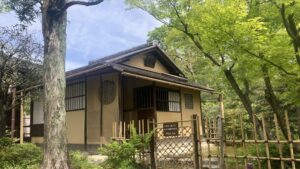
Akechi Mitsuhide: From Fukuchiyama Castle to Honnō-ji
In the early hours of June 2, 1582, at Honnō-ji Temple in Kyoto, Oda Nobunaga (1534–1582, 織田信長) was surrounded by troops led by one of his most trusted senior retainers, Akechi Mitsuhide (1528–1582, 明智光秀). As the temple burned, Nobunaga disappeared into the flames.
The Honnō-ji Incident was the most famous coup in Japanese history—and one of its greatest mysteries. Why did Mitsuhide turn against the lord he had served so successfully, just as Nobunaga's campaign to unify Japan appeared close to completion? Mitsuhide is often remembered simply as a "traitor." Yet the historical sources reveal a very different figure: an educated and highly capable administrator, skilled military affairs and diplomacy, with the connection to the imperial court and the aristocratic society. He was one of Nobunaga's most capable and trusted retainers.
In This Story
- Why did Akechi Mitsuhide, with no established base within the Oda household, rise so rapidly to become one of Nobunaga’s leading retainers?
- How did his education, military strategy, political skill, and network of relationships help him become a key figure in Nobunaga’s campaign to unify Japan?
- Why did Mitsuhide launch the Honnō-ji Incident and turn against Nobunaga?
Between Two Lords — Mitsuhide's Starting Point
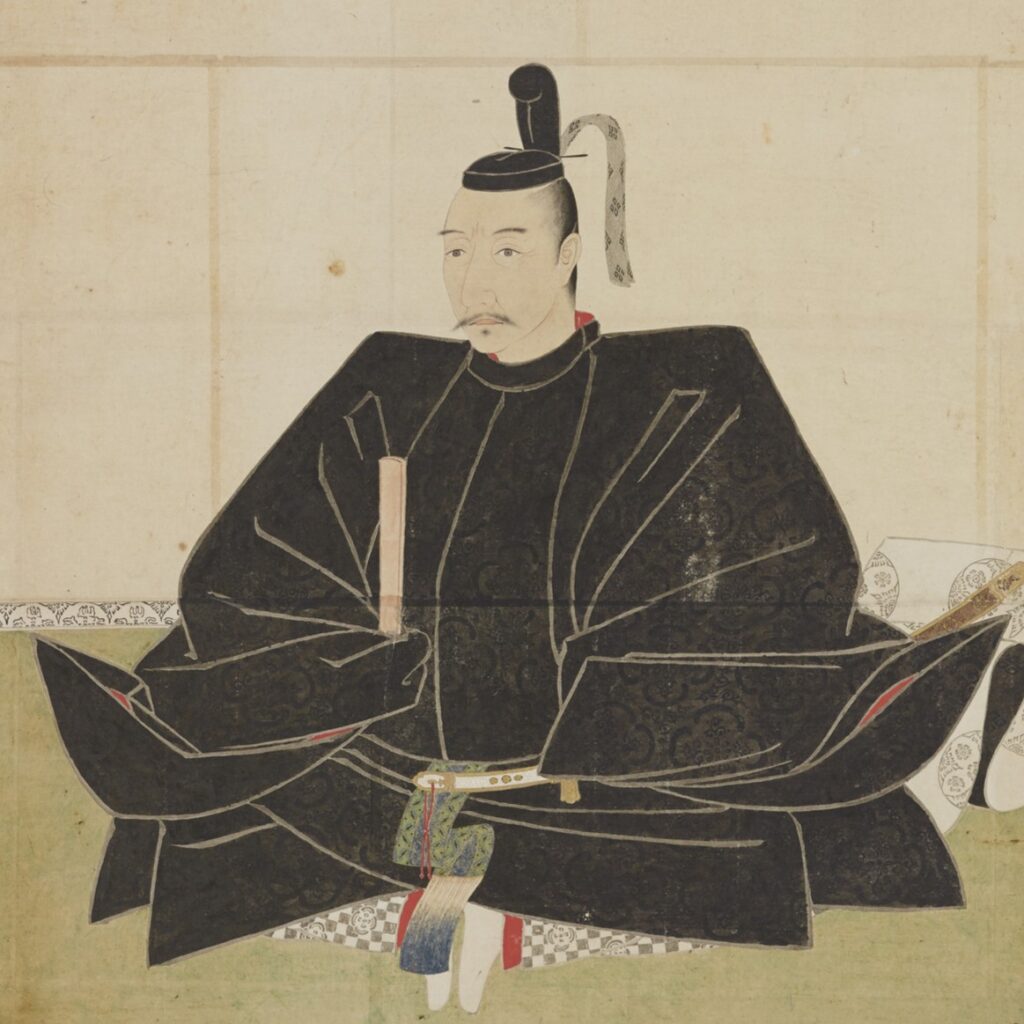
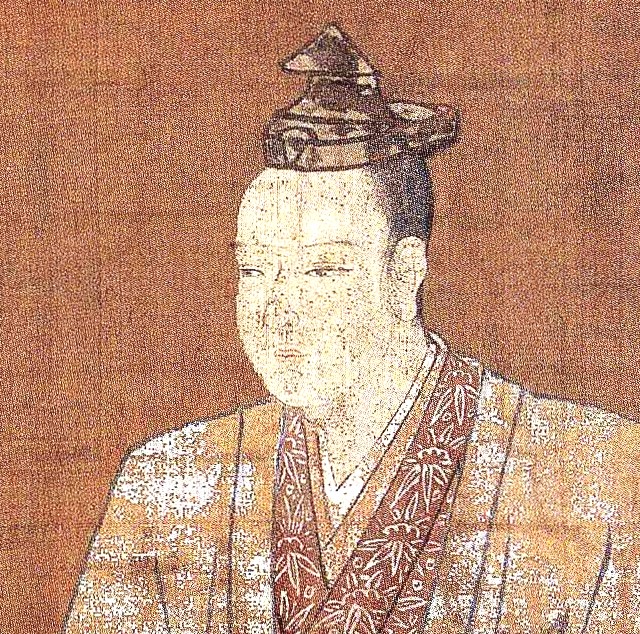
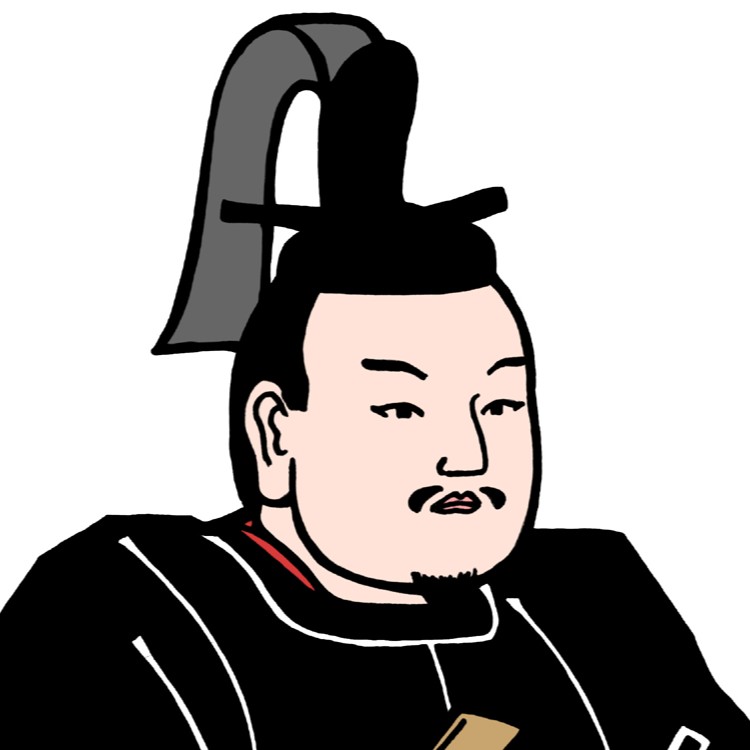
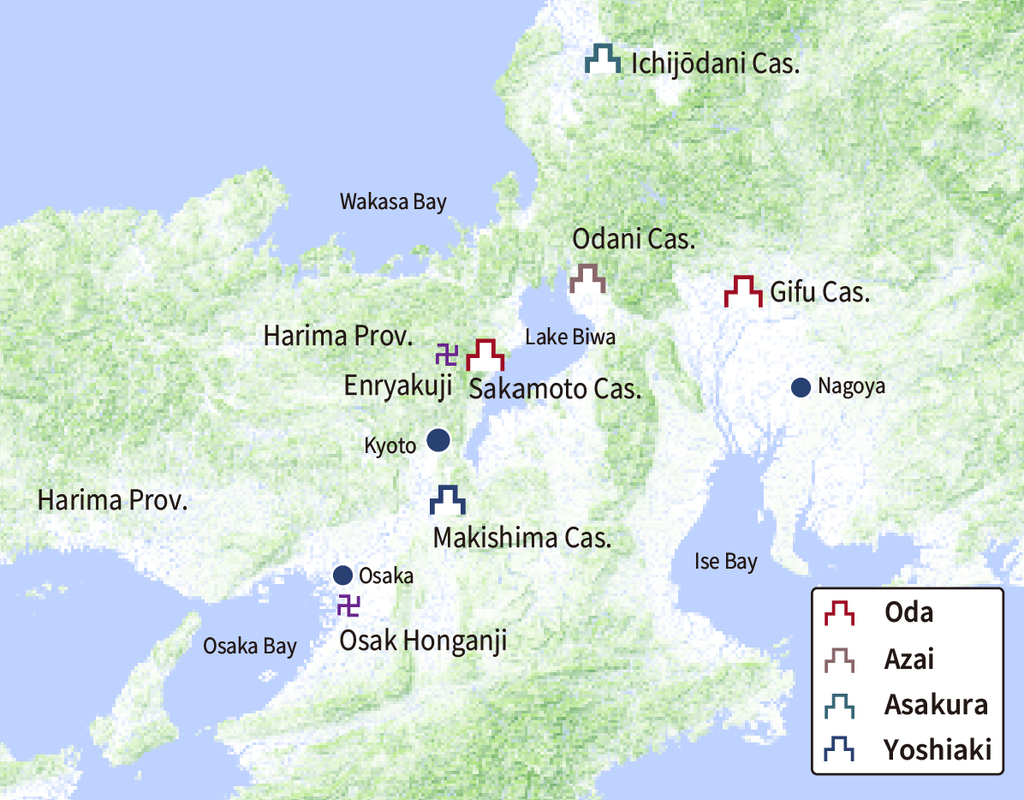
Mitsuhide first emerges onto the historical stage around 1568, when Oda Nobunaga entered Kyoto in support of Ashikaga Yoshiaki, who sought to restore the Muromachi shogunate. Mitsuhide is said to have been associated with the Asakura clan in Echizen. As he became involved in the relationship between Yoshiaki and Nobunaga, he gradually distinguished himself. In October, Yoshiaki became the fifteenth Muromachi shogun.
Mitsuhide occupied an unusual position. He was close to Yoshiaki while also serving Nobunaga, standing between two centers of power.
A Rapid Rise as Nobunaga's Right-Hand Man
Mitsuhide was more than a battlefield commander. He was one of the most capable administrators of his time. His abilities extended from military service to negotiations with the imperial court and aristocracy, dealings with the complicated network of temples, shrines, and local lords in the Kinai region, the use of firearms, castle construction, and territorial administration. These diverse abilities allowed Mitsuhide to earn Nobunaga's trust rapidly.
In January 1569, while Nobunaga had temporarily returned to Gifu Castle, the Miyoshi Triumvirate and their allies launched an attack on Honkoku-ji, Yoshiaki's temporary residence in Kyoto. Mitsuhide took part in the defense and helped protect the shogun. This became one of his earliest major opportunities to show Nobunaga his abilities.
The following year, in 1570, Nobunaga invaded Echizen to attack the Asakura clan. There, his supposed ally Azai Nagamasa suddenly turned against him, leaving the Oda army caught between two enemy forces. This became known as the "Retreat from Kanegasaki." Mitsuhide helped hold the retreat together and served in the rear guard, enabling Nobunaga to return safely to Kyoto.
After the Battle of Anegawa, the Azai and Asakura forces took up positions on Mount Hiei. Nobunaga ordered Mitsuhide to take part in the attack on Enryaku-ji Temple.
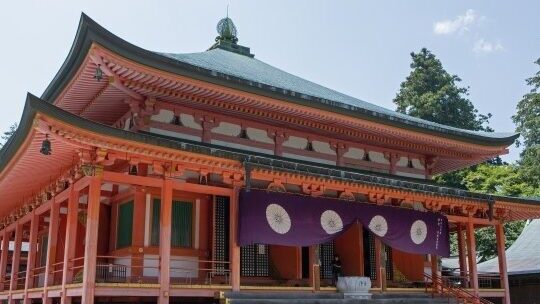
Mitsuhide carried out this difficult assignment successfully. In September 1571, Nobunaga granted him control of Shiga District in Ōmi Province and ordered him to build Sakamoto Castle, making Mitsuhide the first of Nobunaga's retainers to receive permission to establish his own castle. From Sakamoto, he controlled an important point on Lake Biwa and played a major role in Nobunaga's rule of the region. As lord of Sakamoto Castle, he later became involved in the restoration and protection of Enryaku-ji Temple.
Why, then, did this highly capable and trusted retainer turn against his lord little more than a decade later?
The answer begins with the collapse of his relationship with the shogun, the four-year campaign to pacify Tamba, and changes within Nobunaga's increasingly powerful regime.
The Break with the Shogun — The Rift Created by the Destruction of Mount Hiei
The destruction of Enryaku-ji marked a turning point in the relationship between Yoshiaki and Nobunaga.
For the Ashikaga shogunate, Mount Hiei had long been regarded as a sacred site protecting Kyoto from the northeast, the direction traditionally associated with the "Demon's Gate." Nobunaga's destruction of the temple complex therefore represented a serious blow to Yoshiaki's authority and prestige as shogun.
Before the attack, Yoshiaki had attempted to mediate between the Asakura and Azai forces, Mount Hiei, and Nobunaga. His efforts, however, failed to prevent Nobunaga from pursuing his military objectives. The relationship between the shogun and Nobunaga deteriorated rapidly.
In March 1573, Yoshiaki raised an army and withdrew to Makishima Castle in southern Kyoto. Nobunaga immediately marched against him, and Mitsuhide took part in the Oda attack. On July 18, Yoshiaki surrendered and was expelled from Kyoto, bringing the Muromachi shogunate to an effective end.
During this period, Mitsuhide is thought to have worked tirelessly to preserve the shogunate and prevent a confrontation between the two sides. In the end, however, he chose to entrust his future to Nobunaga, who continued to seek pragmatic political solutions, rather than to Yoshiaki, who remained committed to preserving the authority of the shogunate. From this point onward, Mitsuhide began his career as a full-fledged retainer of the Oda household.
The Four-Year Campaign — The Difficult Pacification of Tamba
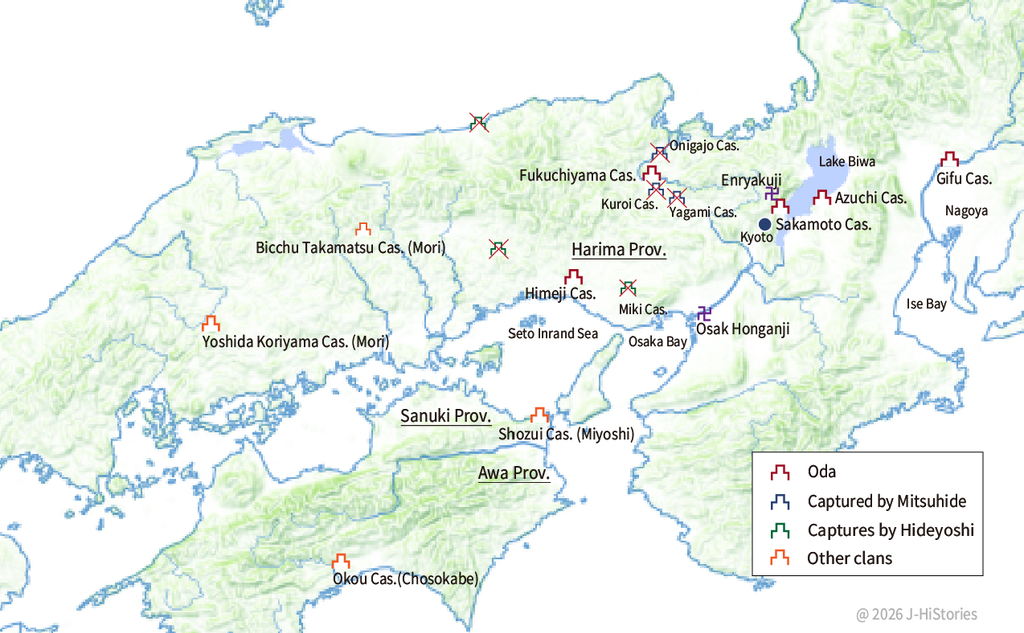
In June 1575, Nobunaga ordered Mitsuhide to conquer Tamba Province. Located immediately west of Kyoto, Tamba was both a strategically important region and a stronghold of forces opposed to Nobunaga. It also formed a gateway toward the territories of the Mori clan in western Japan.
The region was notoriously difficult to conquer. Strong mountain castles were scattered throughout the province, including Kuroi Castle, held by Akai Naomasa, feared as the "Red Demon of Tamba," while powerful local lords maintained their independence. In 1576, while Mitsuhide was besieging Kuroi Castle, Hatano Hideharu, lord of Yagami Castle and one of the commanders on the Oda side of the siege, suddenly switched sides and attacked Mitsuhide's forces from the rear. The Akechi army collapsed, and Mitsuhide himself barely escaped back to Sakamoto Castle.
Yet he returned to Tamba. Combining starvation tactics with diplomacy and political maneuvering, Mitsuhide gradually broke down the resistance of the local lords. His greatest obstacle was Yagami Castle, where Hatano Hideharu had entrenched himself. Mitsuhide surrounded the castle with multiple lines of ditches and palisades and subjected it to a relentless siege. In June 1579, Yagami Castle finally fell. Kigan-jō and Kuroi Castle were subsequently captured, and Mitsuhide completed the pacification of Tamba after four years of fighting.
Nobunaga praised the achievement as unparalleled. In 1580, Mitsuhide was granted all of Tamba Province. Together with his holdings in Shiga District of Ōmi, his direct domain totaled roughly 340,000 koku, making him one of the most powerful lords in the Oda household. Powerful warriors such as Hosokawa Fujitaka (1534-1610, 細川藤孝) in Tango and Tsutsui Junkei (1549-1584, 筒井順慶) in Yamato were also placed under his command as yoriki (assistant commanders), giving Mitsuhide considerable influence across the Kinai region.
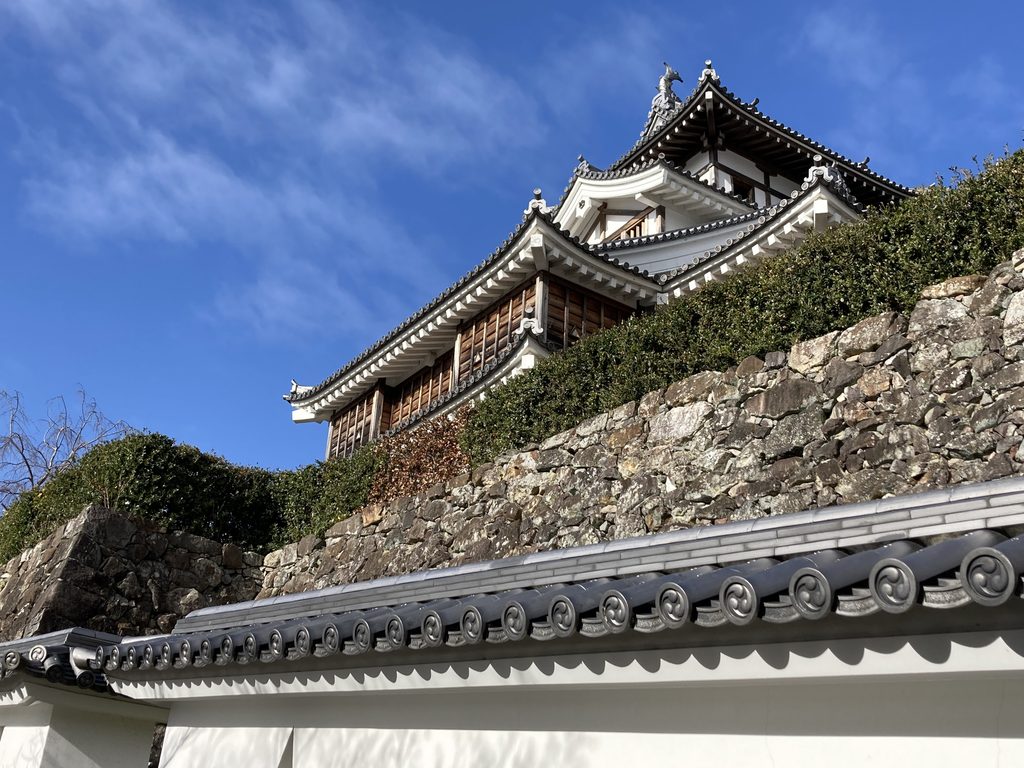
At Fukuchiyama, one of Mitsuhide’s bases in Tamba, he promoted commerce by exempting merchants from land taxes and protected the castle town from flooding by constructing embankments along the Yura River and planting bamboo groves to absorb the force of floodwaters. He also developed a system for organizing military obligations according to landholding.
On the battlefield, Mitsuhide was a ruthless commander capable of overcoming determined enemies. In his territories, however, he became a ruler concerned with stability and the livelihoods of his people.
Nobunaga's Organizational Reforms and the Approach of a New Generation
In 1575, after defeating his long-standing enemy, the Takeda clan, at the Battle of Nagashino, Nobunaga accelerated his campaign to unify Japan.
Around this time, he increasingly placed senior retainers on different fronts across the country, granting them substantial military and administrative authority and assigning them responsibility for regional campaigns.
| Commander | Region / Front | Main Opponent / Issue | Role |
| Akechi Mitsuhide | Kinai / Tanba | - | Governing the Kinai connected to Kyoto and Tamba |
| Hashiba Hideyoshi | Western Japan | Mori clan | Campaign against the Mori |
| Shibata Katsuie | Hokuriku | Uesugi clan / Honganji followers (Ikko-Ikki) | Securing the Hokuriku region |
| Takigawa Kazumasu | Kanto / Koshin | Remnants of the takeda power | Securing the Kanto & Koshin |
| Niwa Nagahide / Oda Nobutaka | Shikoku | Chōsokabe clan | Planned campaign against Shikoku |
In 1580, the decade-long conflict with the Osaka Honganji finally came to an end, and the Honganji forces withdrew from Osaka. Nobunaga then envisioned the former Honganji site, strategically located on Osaka Bay and controlling access to the Inland Sea, as a new base for his campaign in western Japan. He placed Niwa Nagahide and his nephew Oda Nobuzumi in charge of the area.
Nobunaga’s attention was now turning toward the Mori clan and Hideyoshi’s campaign in western Japan. This shift would eventually change the fortunes of Mitsuhide and Hideyoshi.
Mitsuhide and Hideyoshi — A Blow from the Shift in Shikoku Policy
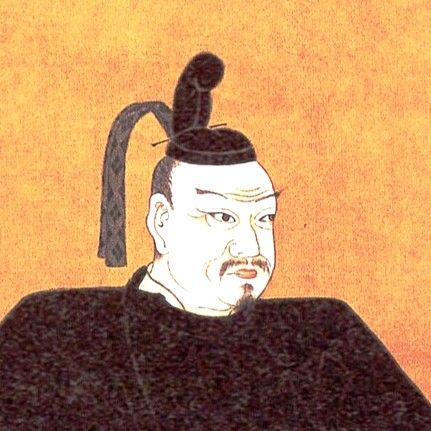
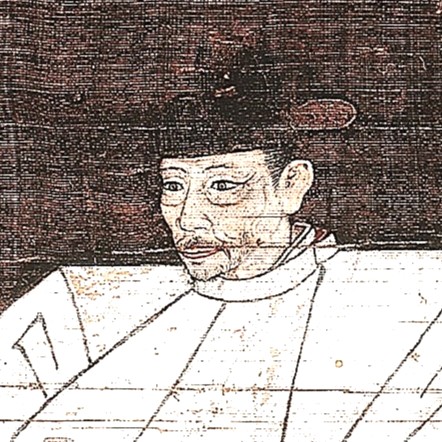
@ Sage Pref. Nagoya Castle Museum
Just as Mitsuhide's rise seemed to be proceeding smoothly, another extraordinary talent emerged as a major rival: Hideyoshi. As commander of Nobunaga's western army, Hideyoshi was fighting the powerful Mori clan led by Mori Terumoto.
One of the greatest obstacles to his advance was the Mori navy, which controlled key routes in the Inland Sea. To secure it, Hideyoshi strengthened his ties with the Miyoshi clan in Awa and eastern Sanuki, which had strong naval forces and influence over maritime routes. After capturing Miki Castle in Harima, he also secured an important land route, allowing him to advance against Mori territory by both land and sea.
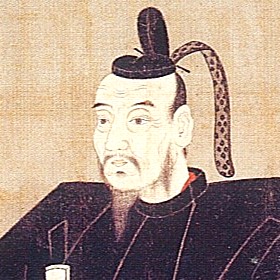
Meanwhile, Mitsuhide had been serving as the intermediary between Nobunaga and Chōsokabe Motochika (1539-1599, 長宗我部元親), one of the leading powers in Shikoku. Around 1575, Mitsuhide secured Nobunaga's approval for Motochika to expand his territory in Shikoku. This policy was recorded in the Motochika-ki.
The two diplomatic channels—Hideyoshi and the Miyoshi on one side, Mitsuhide and the Chōsokabe on the other—were now heading toward a collision. Hideyoshi deepened his ties with the Miyoshi and promoted a plan to have Oda Nobutaka adopted by Miyoshi Yasunaga, linking the two houses. Nobunaga then appointed Nobutaka commander of the planned campaign against Shikoku.
Nobunaga's policy was now changing dramatically—from allowing Chōsokabe expansion to preparing for a military campaign against them. Mitsuhide's years of diplomacy with Motochika were beginning to unravel. Even so, he continued trying to persuade Motochika to avoid armed conflict. His efforts produced an important result just twelve days before the Honnō-ji Incident. In a letter dated May 21, 1582, Motochika indicated his willingness to comply with Nobunaga's orders and had already withdrawn from parts of Awa. The letter is preserved in the Ishigai family documents.
However, the letter did not have enough time to reach Nobunaga from Shikoku before events began to move rapidly. Nobunaga entered Honnō-ji on May 29, while he had ordered Nobutaka to cross to Shikoku around June 2. He also ordered Mitsuhide to follow the instructions of Hideyoshi in the campaign against the Mori.
Diplomatic Defeat and Despair — And the Road to Honnō-ji
For Mitsuhide, Nobunaga's shift of policy—from supporting the Chōsokabe to confronting them—was more than a change in diplomatic strategy. It threatened the political foundations he had spent years building. His education, military skill, ties to the imperial court and Kyoto's aristocracy, relationships with retainers such as Hosokawa Fujitaka, and political connections extending into Shikoku had all helped him on of Nobunaga's trusted commanders.
But the world around him was changing. Mitsuhide was 52; Hideyoshi was 42; and Nobunaga was increasingly transferring authority to his 23-year old heir, Oda Nobutada. Diplomacy, military affairs, political networks, and even generations were shifting at once. The political foundations that Mitsuhide had spent his life building appeared to be collapsing. In addition, the ideal of tenka seihitsu (peace under shogun) which Yoshiaki and Nobunaga had once sought together had long since been lost.
On June 2nd in 1582, Mitsuhide marched his army toward Honnō-ji, where Nobunaga was staying. He turned against his lord and killed Oda Nobunaga.
Mitsuhide's Timeline
| Year | Event | Mitsuhide's Age |
|---|---|---|
| 1560 | Battle of Okehazama: Oda Nobunaga defeats Imagawa Yoshimoto | 33 |
| 1567 | Oda Nobunaga conquers Mino and establishes Gifu as his base | 40 |
| 1568 | Oda Nobunaga enters Kyoto in support of Ashikaga Yoshiaki. Mitsuhide serves both Yoshiaki and Nobunaga | 41 |
| 1569 | The Miyoshi Triumvirate attacks Yoshiaki's temporary residence at Hōkoku-ji. Mitsuhide takes part in its defence | 42 |
| 1570 | Battle of Kanegasaki: Azai Nagamasa turns against Nobunaga, forcing the Oda army to retreat. Mitsuhide serves in the rear guard | 43 |
| 1570 | Battle of Anegawa: Oda and Tokugawa forces defeat the Azai and Asakura armies | 43 |
| 1571 | Nobunaga attacks Enryaku-ji Temple on Mount Hiei. Mitsuhide takes part in the attack | 44 |
| 1571 | Mitsuhide is granted Shiga District in Ōmi Province and ordered to build Sakamoto Castle | 44 |
| 1573 | Ashikaga Yoshiaki raises an army against Nobunaga at Makishima Castle. Mitsuhide takes part in the Oda attack | 46 |
| 1573 | Yoshiaki surrenders and is expelled from Kyoto, marking the effective end of the Muromachi shogunate | 46 |
| 1575 | Battle of Nagashino: Oda and Tokugawa forces defeat the Takeda army | 48 |
| 1575 | Nobunaga orders Mitsuhide to conquer Tamba Province | 48 |
| c. 1575 | Mitsuhide secures Nobunaga's approval for Chōsokabe Motochika to expand his territory in Shikoku. The policy is recorded in the Motochika-ki | 48 |
| 1576 | Mitsuhide suffers a major defeat in Tamba when the Hatano clan turns against him during the siege of Kuroi Castle | 49 |
| 1577 | Hashiba Hideyoshi begins his campaign in western Japan on Nobunaga's orders | 50 |
| 1578 | Hideyoshi besieges Miki Castle in Harima | 51 |
| 1579 | Mitsuhide captures Yagami Castle, followed by Onigajō and Kuroi Castle, completing the conquest of Tamba | 52 |
| 1580 | The decade-long conflict with the Osaka Honganji comes to an end, and the Honganji forces withdraw from Osaka | 53 |
| 1580 | Mitsuhide is granted the whole of Tamba Province, bringing his holdings in Tamba and Shiga District in Ōmi to approximately 340,000 koku | 53 |
| 1580 | Nobunaga strengthens the western campaign led by Hideyoshi against the Mōri clan | 53 |
| 1581 | Nobunaga holds a grand military procession in Kyoto. Mitsuhide oversees its organisation | 54 |
| 1581 | Nobunaga conquers Iga Province | 54 |
| 1582 | Nobunaga destroys the Takeda clan, entering the final stage of his campaign for national unification | 55 |
| 1582 | Nobunaga reverses his policy toward Shikoku and prepares for a military campaign against the Chōsokabe. Oda Nobutaka is appointed commander of the planned expedition | 55 |
| May 21, 1582 | Chōsokabe Motochika sends a letter indicating his willingness to comply with Nobunaga's demands and stating that he has already withdrawn from parts of Awa | 55 |
| June 2, 1582 | Mitsuhide attacks Honnō-ji in Kyoto. Oda Nobunaga is killed | 55 |
| June 2, 1582 | Oda Nobutada, Nobunaga's eldest son, is killed at the Nijō residence | 55 |
| June 13, 1582 | Mitsuhide is defeated by Hideyoshi's forces at the Battle of Yamazaki | 55 |
| June 13, 1582 | Mitsuhide dies at Ogurusu near Yamashina while making his way toward Sakamoto Castle | 55 |
Recommendations to Visit
Fukuchiyama Castle
- Access: Approx. 1 hr 15 min from Kyoto via JR San-in Main Line (Limited Express), then a 15-min walk from Fukuchiyama Station.
Honno-ji Ruins
- Access: Take the Kyoto Subway Karasuma Line from Kyoto Station, exit at Shijo Station (Exit 2), and walk for approx. 12 min.