
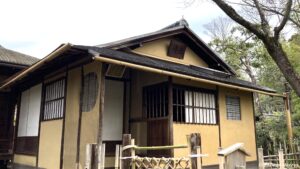
Samurai Tea Ceremony, Jo-an is The Best Tea House to Visit
There are three existing tea rooms in Japan designated as national treasures. They are the Tai-an at Myokian in Kyoto built by a tea master, Sen no Rikyu, the Mittan at Daitokuji Temple by Kobori Enshu, and the Jo-an at Urakuen Garden in Aichi prefecture by Oda Nagamasu in his later life. Oda Nagamasu, also […]
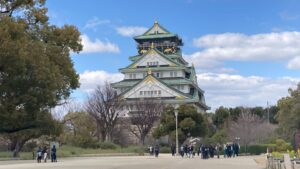
Osaka Castle History: An unsurpassed Samurai Hideyoshi’s ambition to become a ruler of Japan
Osaka Castle was built by Toyotomi Hideyoshi. Along with the castle, its castle town, known as a "Water City," was also constructed. Unfortunately, the castle was burnt down during the Siege of Osaka in 1615 after Hideyoshi's death. Despite the destruction, the castle town demonstrated its logistical capabilities and played an important role as an […]
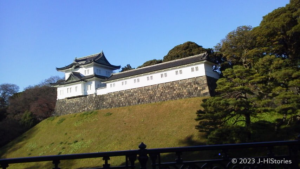
Tokyo Imperial Palace: Edo Castle Ruins and the Bloodless End of the Samurai Era
Explore Tokyo’s Imperial Palace: Edo Castle Ruins and the Legacy of the Samurai Era
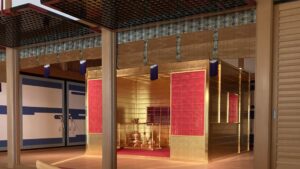
The Golden Tea Room and Wabi World Tai-an
Explore the clash between Toyotomi Hideyoshi and Sen no Rikyū, from the lavish Golden Tea Room to the wabi simplicity of Taian—and the mystery behind Rikyū’s forced seppuku.
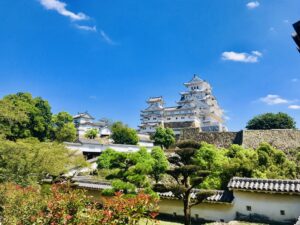
Himeji Castle: The Stunning White Fortress That Broke the Enemy’s Will to Fight
Discover the hidden strategy of Himeji Castle. From Toyotomi Hideyoshi’s rise to Tokugawa Ieyasu’s rule, this stunning white fortress projected power that broke enemies’ will to fight.

Azuchi Castle, the first picturesque light-up event in Japan
The most powerful warlord, Oda Nobunaga (1534-1582, 織田信長), had a great zeal to realize a peaceful nation through his clever strategies, rationalism, and immense military power to end the Warring States Period. After seeing people’s joyful faces at the light-up event, he likely felt a deep sense of emotion and elation, realizing his lifelong ambitions […]
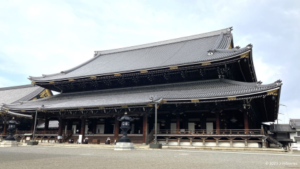
Osaka Honganji Temple: The Jodo Shinshu sect of Buddhism was divided into East and West
The Higashi (East) and Nishi (Eest) Honqanji Temples stand along Shichijo Street in Kyoto, less than 500 meters away. The Goei-do of the Higashi Honganji is the largest wooden founder hall in the world and enshrines the wooden statue of the founder, Shinran. The Nishi Honganji, a World Heritage Site, has remained intact to this […]
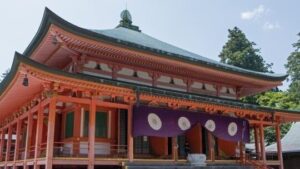
Enryakuji Temple on Mt. Hiei: The 1200-Year Eternal Light of Japanese Buddhism
Enryakuji on Mt. Hiei, founded by Saichō, is the “Mother of Japanese Buddhism.” Though attacked by shoguns and even Oda Nobunaga, its Eternal Light has burned for more than 1,200 years.