
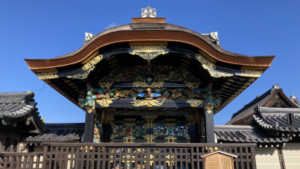
Three Karamon Gates Reflect Hideyoshi's Authority as a Ruler
Kyoto is home to three national treasures: the Karamon Gates at Daitokuji Temple, Nishi-Hongwanji Temple, and Toyokuni Shrine. These gates were relocated from Toyotomi Hideyoshi’s retreats, Jurakudai and Fushimi Castles. Toyotomi Hideyoshi (1537–1598, 豊臣秀吉) ended over a century of warlike period in Japan. The Karamon Gates feature the distinctive Karahafu, an undulating bargeboard on the […]
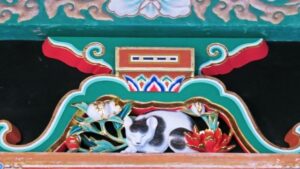
Nikko Toshogu Shrine – The Sacred Intersection Where Tokugawa Ieyasu Guards Japan Beyond Death
Discover why Nikko Toshogu Shrine was chosen as Tokugawa Ieyasu’s eternal stronghold—at the sacred crossroads linking Mount Fuji and Edo, guarding Japan beyond death.
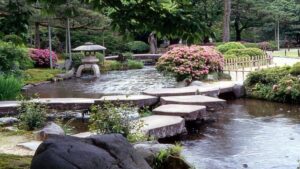
Kenrokuen, a Scenic Garden, the Maeda Clan's Survival Strategy
Kenrokuen garden in Kanazawa is a symbol of Maeda Toshiie, Toshinaga, and Toshitsune, the great lords who protected Kaga's one million koku domain against the Tokugawa Shogunate. Thier strategy was brilliant.
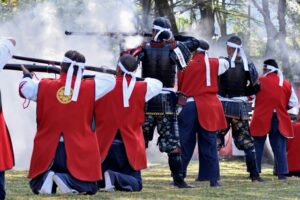
Battle of Nagashino and Shitaragahara
On May 21, 1575, the decisive battle at Nagashino and Shitaragahara began between Takeda Katsuyori’s forces (1546-1582, 武田勝頼), numbering 15,000, and the 38,000-strong allied forces of Oda Nobunaga (1534-1582, 織田信長) and Tokugawa Ieyasu (1543-1616, 徳川家康). The Takeda forces charged towards the 2-km-long fence constructed by the allies. For nine relentless hours, the Takeda forces were […]
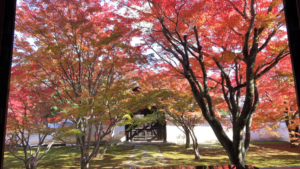
Myokakuji Temple, Nobunaga's Innovative Venue for Tea Ceremonies
Oda Nobunaga held his tea ceremonies at Myokakuji Temple, his lodging during his stay in Kyoto. Here, Nobunaga and Sen no Rikyu met. The two innovators began to resonate with each other in their rational minds. Nobunaga appointed Rikyu as the tea master for the tea ceremony held at Myokakuji Temple in 1573. Encounter between […]
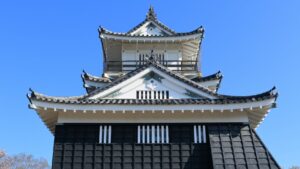
Hamamatsu Castle, Ieyasu's Journey of Building a Peaceful Era
Tokugawa Ieyasu (1543-1616, 徳川家康) was freed from his hostage of Imagawa Yoshimoto (1519-1560, 今川義元) defeated at the Battle of Okehazama, and took a step forward as the lord of Okazaki Castle. He put down the Mikawa Ikki riot and brought stability to the Mikawa region in 1645. Following the surrender of the Imagawa clan's Sunpu […]
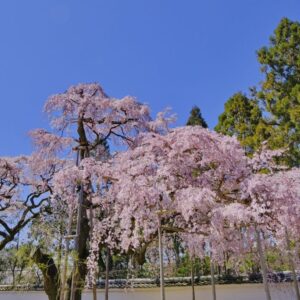
Daigoji Temple: Cherry Blossoms Festival Honoring Hideyoshi's Unification of Japan
Explore Daigo-ji Temple in Kyoto through the story of Toyotomi Hideyoshi’s legendary 1598 cherry blossom celebration. Discover its World Heritage buildings, historic gardens, and seasonal beauty.
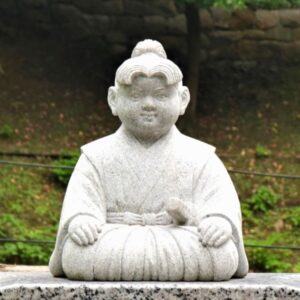
Okazaki Castle, Hardship Made the Man: Tokugawa Ieyasu
Tokugawa Ieyasu (1543-1616, 徳川家康) was separated from his mother at the age of 3, became a hostage of Oda Nobuhide, father of Oda Nobunaga (1534-1582, 織田信長) at the age of 6, lost his father at the age of 8, then became a hostage of the Imagawa Yoshimoto (1519-1560, 今川義元). In total, he spent about 14 years […]

Honpoji Temple: Birthplace of the Rimpa School and Hon'ami Koetsu's World of Faith and Beauty
The tender green of the trees from outside is reflected on the polished stone floor at Honpoji Temple in Kyoto. The colors shimmer on the black surface and create a tranquil atmosphere. It’s incredibly beautiful. Honpoji Temple stands as one of the temples within the Nichiren Sect of Buddhism, established by Priest Nisshin during the […]

Four Legendary Ninjas of the Sengoku Period: Iga, Koka, Fuma, and Suppa
Explore four real ninja operations in the Sengoku period, including Tokugawa Ieyasu’s Iga escape, the Battle of Kawagoe, and Takeda Shingen’s spy network.