
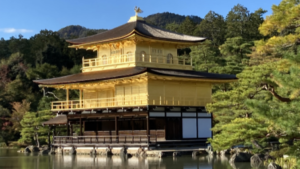
Kinkaku-ji (Golden Pavilion): A Symbol of Buddhist, Samurai, and Courtly Power
Kinkaku-ji Temple (the Golden Pavilion), a UNESCO World Heritage Site, was built by Ashikaga Yoshimitsu, the third shogun of the Muromachi shogunate (1336-1573), after he retired from the political power of shogun and became a Buddhist priest. Part of Rokuon-ji Temple, the Golden Pavilion is renowned for its unique three-story structure, in which each floor […]

Cherry Blossoms and Red Leaves at Hakodate Goryokaku Fort
Goryokaku Fort (五稜郭) is Japan’s first western-style star fort located in Hakodate. The view from the top of the observatory, situated 90 meters above the ground of Goryokaku Park Tower, offers a truly spectacular sight. The iconic five-star shape, filled with approximately 1,600 cherry blossom trees in spring and adorned with vibrant autumn leaves in […]
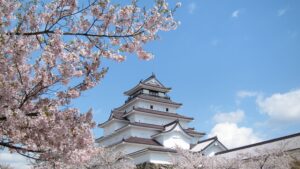
Tsurugajo Castle in Aizu, A Symbol of Samurai Loyalty During the Meiji Restoration
Bells rang in the center of the castle town of the Aizu domain, signaling the invasion of Meiji government forces. Despite the Aizu domain's allegiance to the Tokugawa shogunate and generations of shoguns, the castle fell under incessant bombardment. This is in contrast to the shogun's residence, Edo Castle, which surrendered without bloodshed. Why did […]
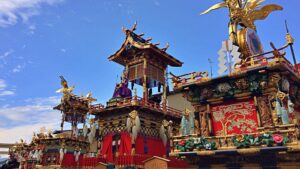
Takayama Festival (Spring and Autumn), Keep your eyes on Karakuri doll’s performance
In Spring, the Karakuri doll scatters a lot of cherry blossoms to commemorate the arrival of spring. In Autumn, one small Karakuri doll moves by hanging and moving across several bars one by one riding piggyback on the Hotei, who is known as a deity of good luck. People watch its success breathlessly. Once it […]
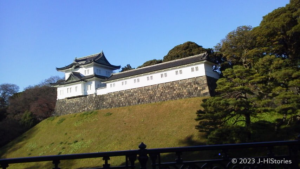
Tokyo Imperial Palace: Edo Castle Ruins and the Bloodless End of the Samurai Era
Explore Tokyo’s Imperial Palace: Edo Castle Ruins and the Legacy of the Samurai Era
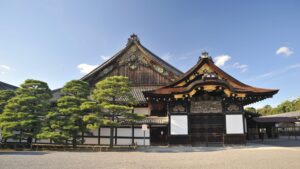
Nijo-jo Castle Watches the Rise and Fall of The Tokugawa Shogunate
Nijo-jo Castle - a UNESCO World Heritage and National Treasure site - is a residence of successive Tokugawa shoguns in Kyoto. This stunning castle had witnessed the growth, development, fall, and eventual end of the Tokugawa shogunate. What was the final stage of the Tokugawa shogunate that Nijo-jo Castle saw? How did the last shogun, […]
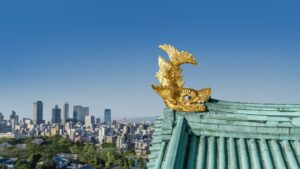
Why was Nagoya Castle Built? For the Iron Defense of the Tokugawa shogunate
Nagoya Castle was built by a warlord, Tokugawa Ieyasu, as a solid fortress in 1612, just two years before the Winter Siege of Osaka against the Toyotomi clan. After Ieyasu's victory, Nagoya Castle kept the western lords in check in the middle of the Tokaido road connecting Edo (Tokyo) and Osaka. He was eager to […]