Japan’s Historic Sites: Why They Were Built and Who Shaped Them
Japan’s historic sites are more than beautiful landmarks — they are the result of political ambition, spiritual belief, and personal vision. From sacred shrines dedicated to ancient deities, to powerful temples that shaped medieval politics, to samurai castles built for war and control, each place was created for a specific purpose.
For over 1,500 years, Japan has maintained a continuous Imperial line, centered around the authority of the emperor. Within Shinto belief, countless kami (deities) coexist, giving rise to sacred landscapes across the archipelago. With the arrival of Buddhism in the 6th century, monumental temples were established as centers of faith, education, and power. Later, during the age of the samurai, as many as 25,000 to 30,000 castles were constructed nationwide to defend territory and assert dominance.
Behind every shrine, temple, castle, battlefield, and garden stood a decision made by emperors, shoguns, warriors, monks, or reformers.
This page introduces six historic sites that fundamentally shaped Japan's history. Through them, you can explore Japan's landmarks by category, including castles, battlefields, shrines, temples, Imperial palaces & villas, gardens, and festivals — and discover not only what they are, but why they were built.
Overview of Japan’s Historic Sites by Type
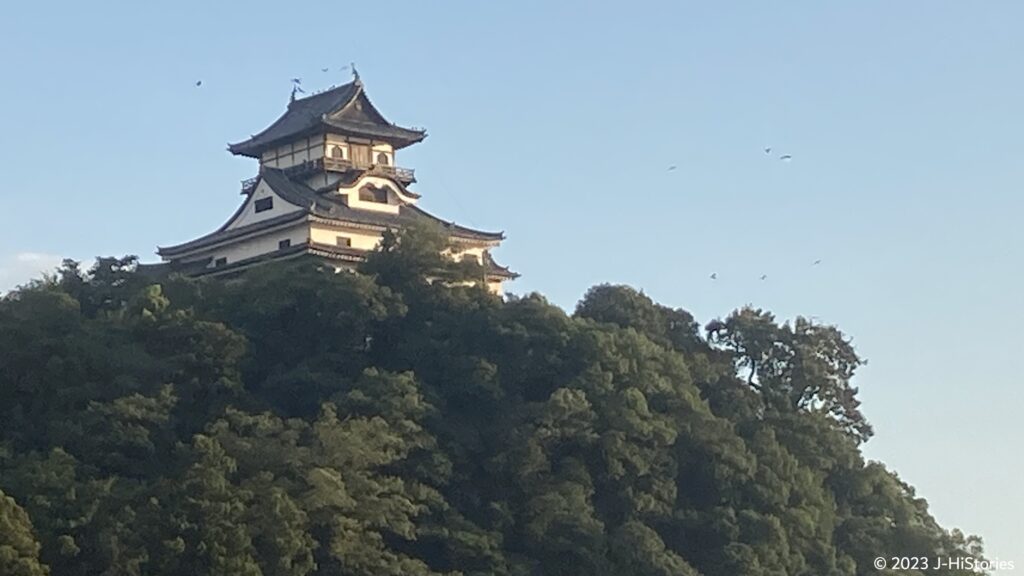
Castles— Samurai Strongholds of Power and Strategy

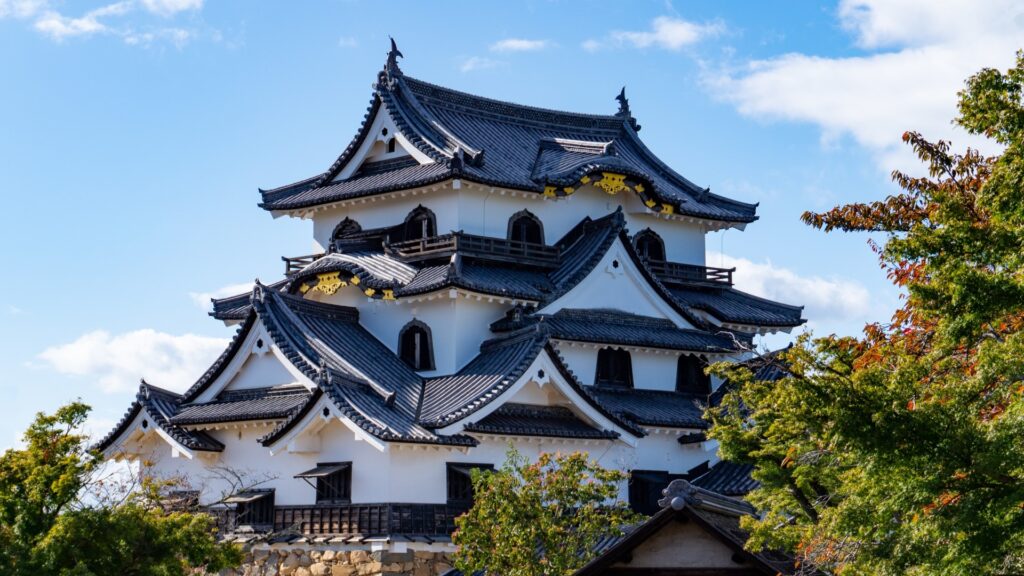
Japanese castles were not simply built for war — they were expressions of samurai power, strategy, and political ambition. As Japan moved from the chaos of the Warring States period to the stability of the Edo era, castles evolved from defensive fortresses into symbols of authority and tools of deterrence. Behind their towering keeps and massive stone walls lies a deeper story of how architecture was used to control conflict, enforce peace, and shape the course of Japanese history.
→ Explore Japan’s castles and their strategic evolution
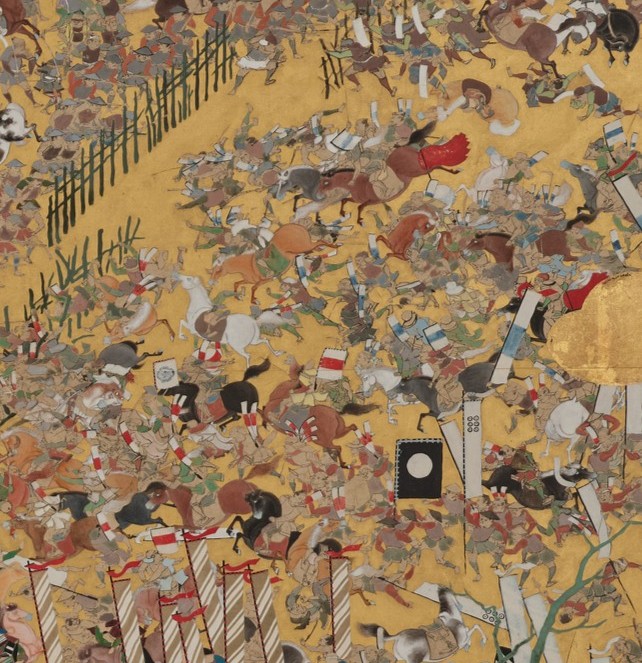
Battlefields — Sites of Historic Conflict and Change

Several decisive battles marked major turning points in Japanese history. During the Warring States period, rival samurai warlords tested their strategy, tactics, military strength, leadership, and economic resources on the battlefield. Sites such as Sekigahara shaped the course of the nation, and visiting these places evokes the dramatic moments that determined Japan’s future.
→ Explore Japan’s battlefields and the ambitions behind historic conflicts
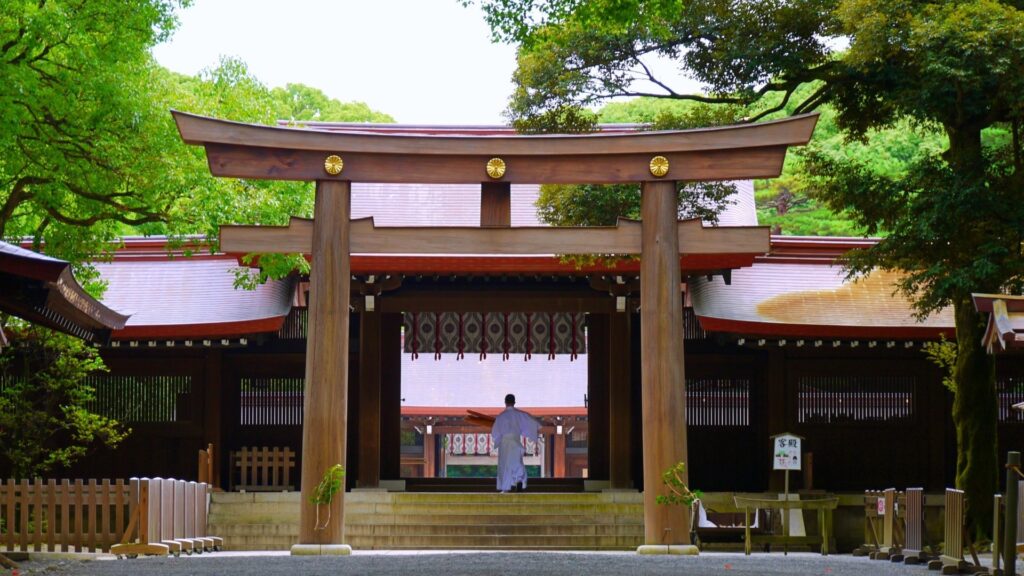
Shrines— Sacred Places of Kami Worship

Surrounded by oceans, mountains, rivers, and changing seasons, Japan has long nurtured a deep connection with nature. Shrines reflect this relationship through the worship of kami — diverse deities believed to dwell in natural objects and unseen realms — revealing a worldview rooted in awe, gratitude, and harmony with the natural world.
→ Explore Japan’s shrines and the world of Kami
Temples — Centers of Buddhism and Spiritual Life

Many temples in Japan were built after the acceptance of Buddhism, which introduced new views on life, death, and salvation. As society changed, Buddhism evolved in response to the needs of each era, and temples developed not only as places of worship but also as centers of learning and cultural life, shaping Japanese society over centuries.
→ Explore Japan’s temples and the evolution of Buddhism
Imperial Palaces & Villas — Residences of the Imperial Family

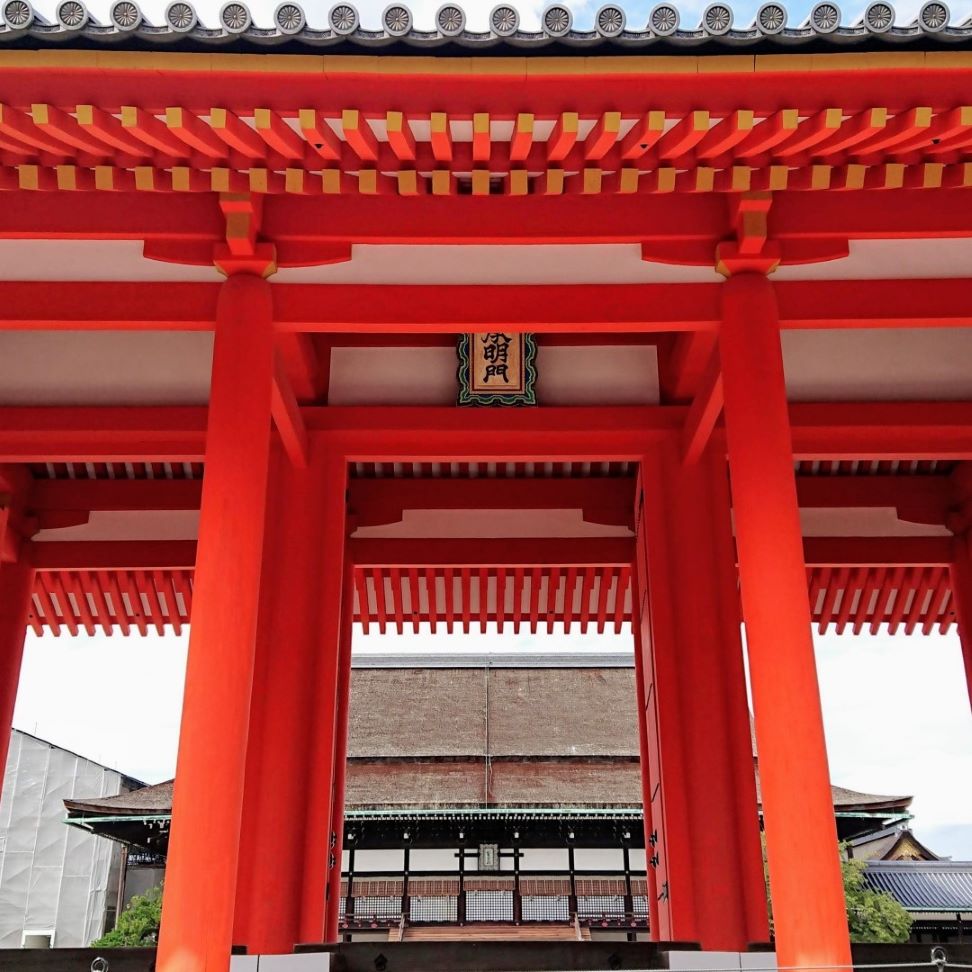
Sites associated with the Imperial Family — including the Imperial Palace (the former Edo Castle) in Tokyo and the Kyoto Imperial Palace — convey the dignity of the imperial court and offer a rare sense of history spanning more than 1,500 years. In and around Kyoto, emperors and members of the court also created detached palaces, through which the aesthetic ideals of court culture have been handed down to the present day.
→ Explore Japan’s Imperial Palaces & Villas and 1,500 years of court history
Gardens — Landscapes of Philosophy and Aesthetics

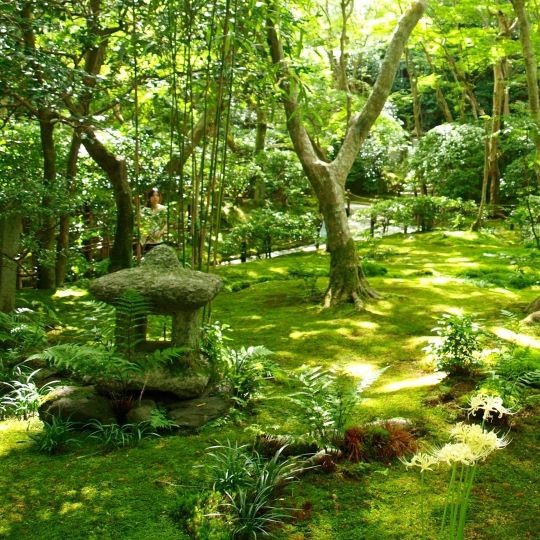
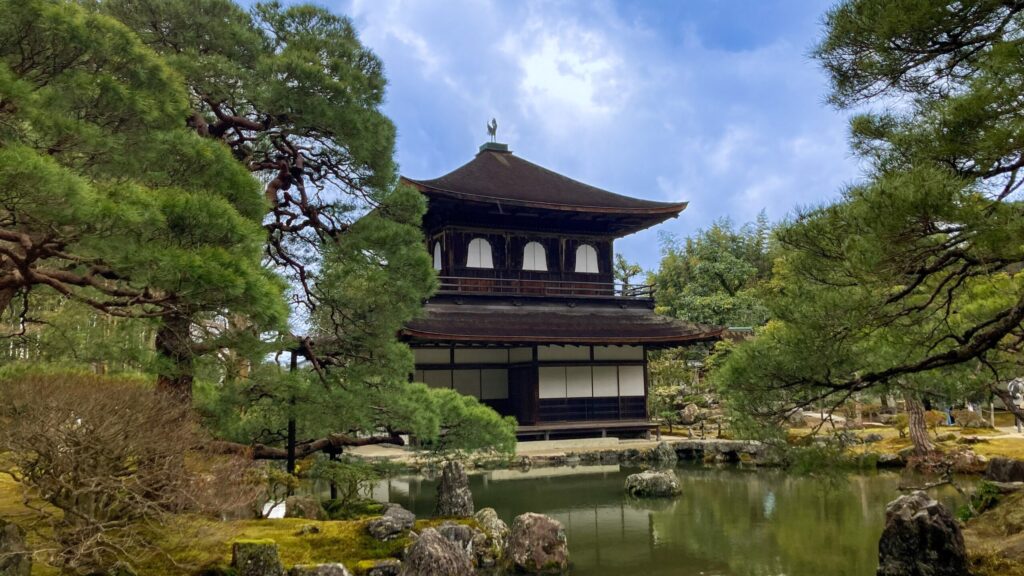
Japanese gardens embody refined spatial design, harmonizing nature, architecture, and human thought. Shaped by religious beliefs and changing social structures, gardens evolved as expressions of Buddhist ideals, philosophical contemplation, and aesthetic discipline across different historical periods. From sacred temple grounds to daimyo gardens within castles and political estates, gardens reveal how ideas were transformed into living landscapes.
→ Explore Japan’s gardens and their philosophical design
Festivals (MATSURI) — Celebrations of Gratitude to the Gods

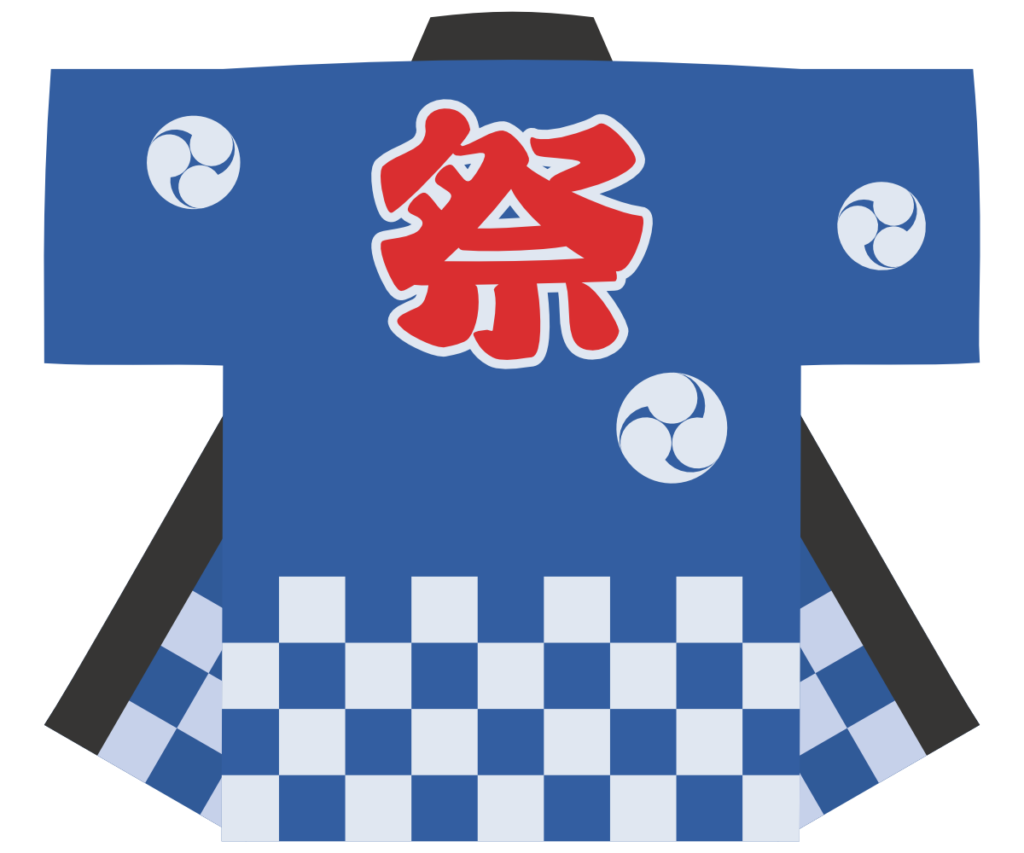
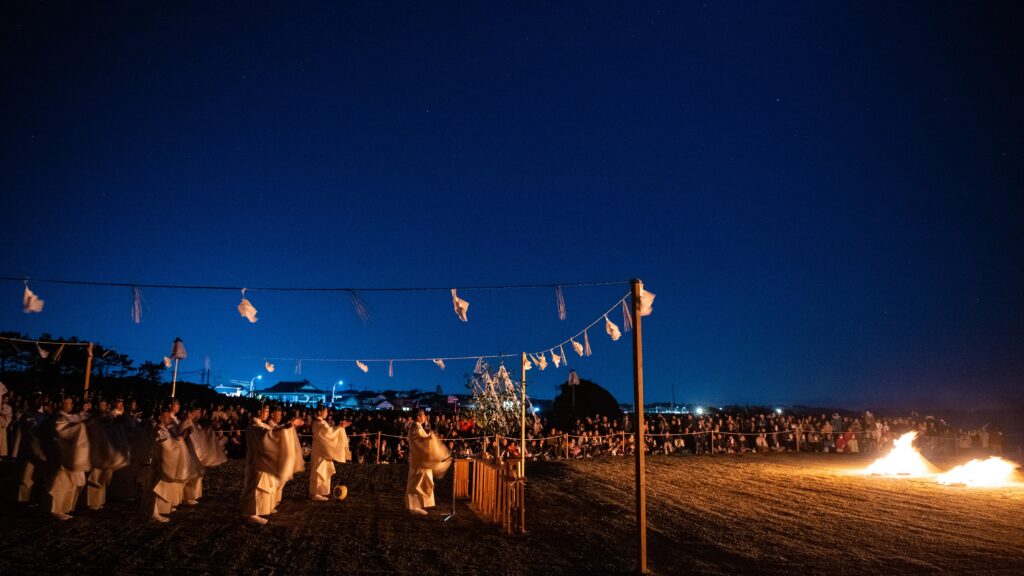
Japan’s festivals are rooted in a close relationship with nature and the belief in Kami, spiritual beings associated with mountains, forests, winds, rice, and the changing seasons. During matsuri, communities welcome these deities through shared rituals—carrying mikoshi (portable shrines), parading decorated floats, and offering performances to the deities—expressing gratitude for nature’s blessings. Though festival forms vary widely by region, each reflects local history, environment, and communal values as living traditions.
→ Explore Japan’s festivals and the diverse traditions of matsuri
Other Historic Sites
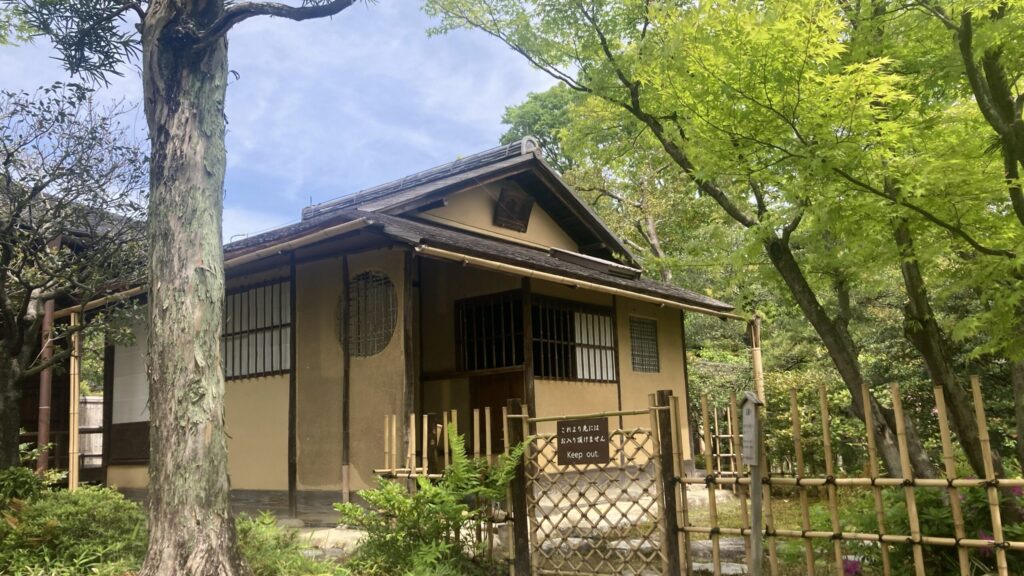
In addition to shrines, temples, and castles, Japan is home to several fascinating historic sites. For example, a national treasure Tea House and an ancient burial mound that has become a World Heritage site. Each of these places has the story of a historical figure who played a great role in that place. >> details
Six Sacred Sites That Shaped Japan’s Power, Faith, and Culture
Ise Jingu Shrine
- The Source of Imperial Authority

Ise Jingu, dedicated to Amaterasu-Ōmikami, has long served as the spiritual foundation of Japan’s imperial authority, affirming the emperor’s sacred lineage.
(@Jingushicho :Jingu Administration Office)
Nikko Toshogu Shrine
- Tokugawa Shogunate Authority

Nikko was chosen not only for its sacred landscape, but because its northern position protected Edo spiritually, transforming Tokugawa Ieyasu into a divine guardian of the shogunate.
Fushimi Inari Taisha
- Prayer for Harvest and Survival

Founded during an age of famine and disease, Fushimi Inari began as Emperor Genmei’s prayer for abundant harvests and the well-being of the people.
Todaiji Temple
- State Buddhism

Emperor Shomu's dearest desire was realized by building the Great Buddha and Todaiji Temple. What was his desire?
Golden Pavillion
- Cultural Hegemony

The Golden Pavilion's three riers represents, from top to bottom, Buddhism, samurai, and court nobility - a deliberate order that visualized shogun Yoshimitsu’s unified authority over religion, warriors, and aristocratic culture.
Itsukushima Shrine
- Divine Favor in War

Mori Motonari defeated a larger enemy at the Battle of Itsukushima, a triumph that elevated him to dominance in western Japan — as if the sacred island’s deity had smiled upon him.