Battle of Mikatagahara: How Takeda Shingen Crushed Tokugawa Ieyasu
Takeda Shingen (1521-1573, 武田信玄), known as the Tiger of Kai, was one of the most feared and brilliant warlords during the Sengoku era (1467-1583). In 1572, at the age of 52, he launched a bold invasion into the territory of Tokugawa Ieyasu (1543-1616, 徳川家康) in Tōtōmi Province (present-day Shizuoka Prefecture), declaring his intent to unleash years of pent-up fury. What followed was one of the most dramatic clashes of the era—the Battle of Mikatagahara. Facing Shingen’s masterful strategy, often said to embody the teachings of Sun Tzu’s Art of War, Tokugawa Ieyasu was driven to the brink of destruction and forced into a desperate escape.
Shingen's Pent-up Resentment for Three Years
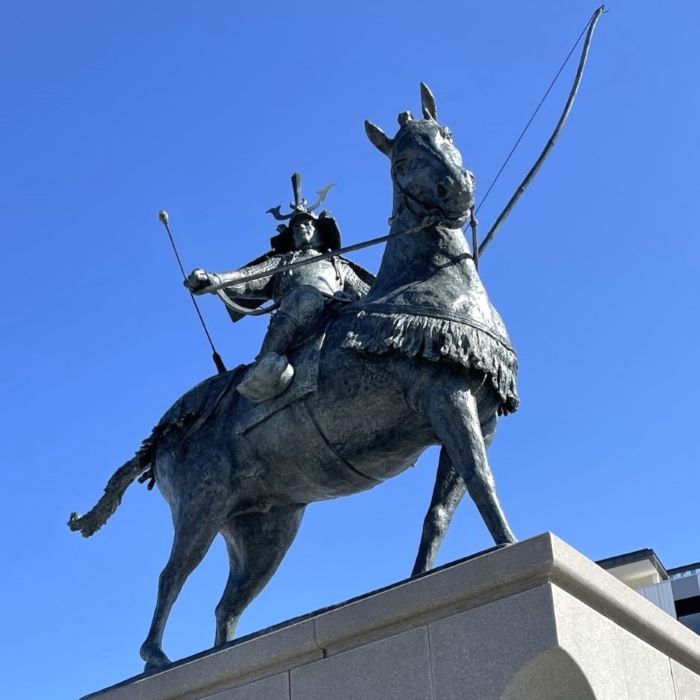
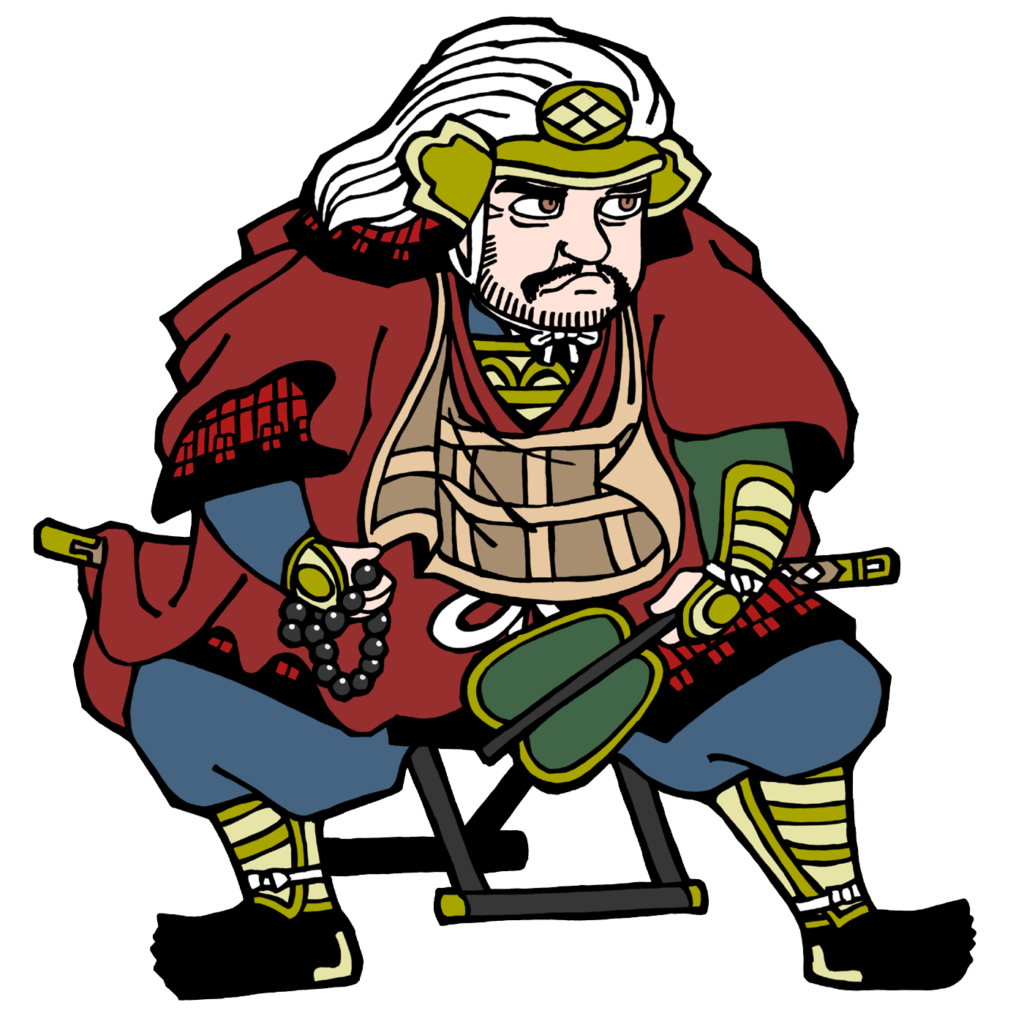
Shingen's pent-up resentment for three years was a result of several factors. First, Ieyasu had broken ties with Shingen and allied with his rival Uesugi Kenshin (1530-1578, 上杉謙信). Secondly, taking advantage of the chaos caused by the Hōjō clan’s surprise attack on Shingen from behind, Ieyasu withdrew Shingen’s troops from Tōtōmi, which had been promised to Shingen under the agreement of a reward for conquest. As a result, Shingen not only lost control of the region but also faced increased pressure from all sides.
Before entering battle at the opportune moment, Shingen sought the protection of the gods by reciting a waka poem, which had been believed to connect the divine and the human:
“With trust I call upon the divine wind of Hachiman—surely the branches of Hamamatsu will fall.” (Hamamatsu = Ieyasu’s residence, the branches = power)
This poem conveys Shingen's strong prayer and determination.
Shingen’s Western Campaign: The Strategy That Cornered Tokugawa Ieyasu
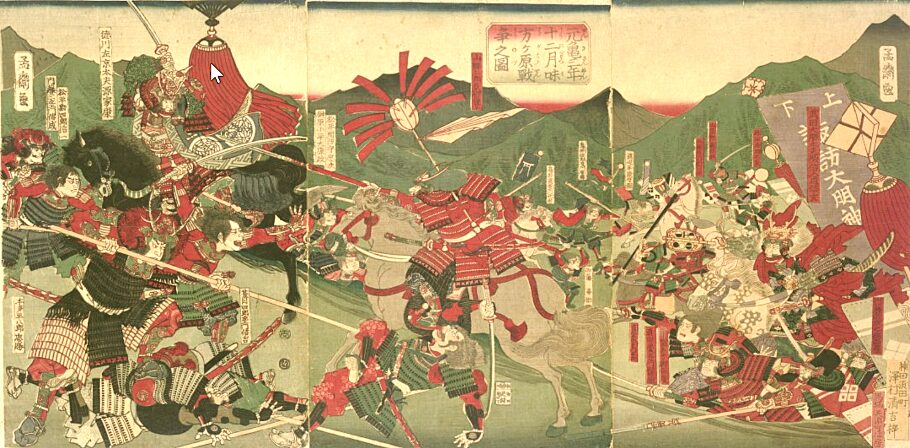
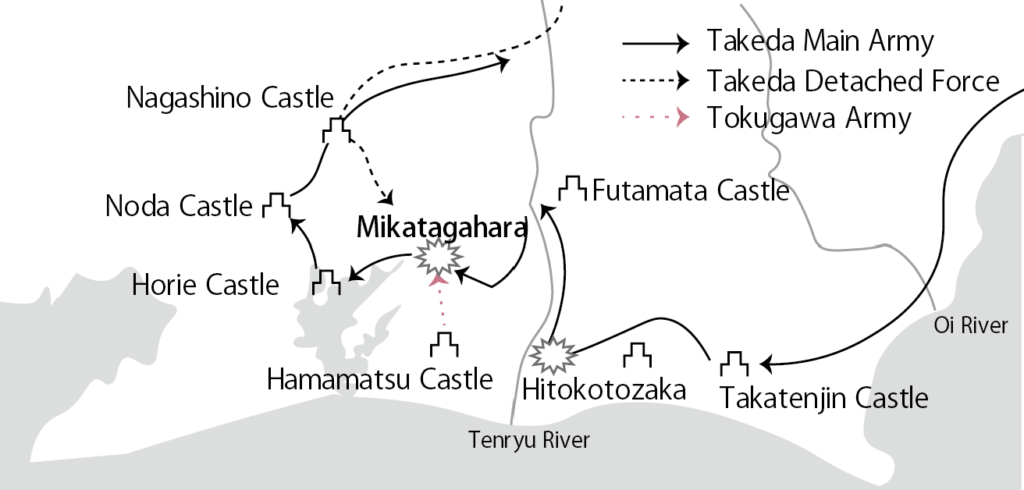
Shingen launched his campaign with the strategy of isolating Ieyasu’s stronghold, Hamamatsu Castle. A detached force led by Yamagata Masakage, one of the Four Generals of the Takeda clan, advanced south along the Uregawa River, passing through Nagashino Castle and proceeding toward the Ii Valley. This cut the land route between Hamamatsu Castle and Okazaki Castle, Ieuasu's home castle. Along the way, the force also captured Iwamura Castle, an important stronghold of Oda Nobunaga (1534-1582, 織田信長), Ieyasu's ally, in eastern Mino.
Meanwhile, Shingen himself led a main force of 22,000 troops, captured Takatenjin Castle, a strategic point in Tōtōmi, and then advanced north along the Tenryū River, capturing Futamata Castle and crossing the Tenryū River. This allowed Shingen to march to Hamamatsu Castle from both the east and west. In addition, the Takeda Navy controlled the sea routes from the Enshū Sea to Mikawa Bay.
Nobunaga and Shingen had been bound by the alliance, strengthened by the marriage of Shingen’s son, Takeda Katsuyori, to Nobunaga’s adopted daughter. Nobunaga did not realize that Shingen had begun his advance westward until the siege of Futamata Castle was underway. When he learned of Shingen’s betrayal, he denounced him in a letter to Uesugi Kenshin in unusually harsh terms, declaring that Shingen had shown no sense of a samurai’s honor and that their alliance would never be restored.
Clash at Hitokotozaka: Honda Tadakatsu’s Fierce Rearguard Action
@ Wiki Commons
After Takeda’s main force captured Takatenjin Castle, a Tokugawa reconnaissance unit that had crossed the Tenryū River encountered Takeda forces at Hitokotozaka.
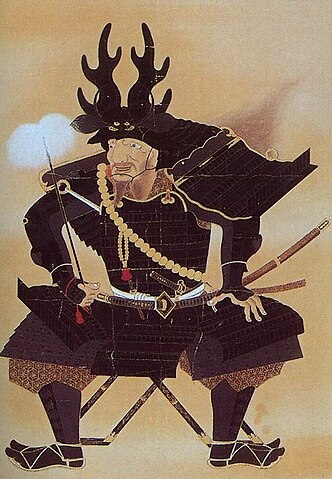
Caught off guard, the Tokugawa troops attempted to retreat, but were swiftly pursued, and a fierce engagement broke out. The Takeda vanguard opened fire with arquebuses before launching a rapid assault. One of the Tokugawa Four Generals, Honda Tadakatsu (1548–1610), known as Heihachirō and famed for his deer-antler helmet, led the rear guard. Renowned for his exceptional martial prowess, he fought fiercely to hold back the enemy, allowing the Tokugawa forces to withdraw to Hamamatsu Castle—though not without great difficulty.
Shingen himself is said to have praised Tadakatsu’s valor, remarking, “Heihachirō is too fine a warrior for Ieyasu to command.”
Meanwhile, Shingen’s advance continued relentlessly.
Shingen’s Trap: Ieyasu Walks into His Ambush
As Shingen’s main force advanced toward Hamamatsu Castle, it suddenly veered west, crossed the Mikatagahara Plateau, and came to a halt at the crest of the Houda slope—just before the descent. There, in a calculated move, the army turned to face back the way it had come and deployed into a full battle formation.
Believing that a warlord who refused battle would lose reteiner's confidence, Ieyasu chose to pursue. Some accounts suggest he acted against his retainers’ advice, saying, “We cannot allow Shingen's forces to pass through our territory.”
In any case, as the Tokugawa forces advanced, they planned to strike the Takeda army from behind as it descended the slope. Instead, they found the Takeda army waiting, and the Tokugawa forces nearly collided with them. Caught off guard, the Tokugawa soldiers scrambled to reorganize. With no time to form ranks, Shingen’s forces—positioned above—launched a coordinated downhill assault.
The sudden attack shattered Tokugawa's cohesion, and a fierce, chaotic battle quickly turned into a rout. Over a thousand Tokugawa troops were killed, resulting in a decisive victory for the Takeda. Overwhelmed by Shingen’s masterful maneuver, Ieyasu’s army suffered devastating losses, forcing a desperate retreat back to Hamamatsu Castle.
The Sudden End of Shingen’s Campaign
Following the battle, Shingen turned his attention to Horie Castle, a key hub for water transport on Lake Hamana and a vital supply route linking Owari Province (present-day western Aichi Prefecture) and Okazaki to Hamamatsu Castle. Despite its strategic importance, the castle held firm under determined Tokugawa resistance, forcing Shingen to abandon the assault.
He then advanced toward Noda Castle in eastern Mikawa, another Tokugawa stronghold. Its capture would have secured a direct land route back to Shinano and Kai while opening the way to dominate eastern Mikawa, including Okazaki Castle.
Shingen’s campaign showed no sign of slowing, and the fall of Okazaki Castle seemed only a matter of time. Then, without warning, everything changed. The Takeda army abruptly halted its advance and withdrew. Soon after, Shingen died of illness. In the end, it was not the battlefield, but fate itself that saved Ieyasu.
Recommendations to Visit
Hamamatsu Castle
- Access: 30 min. from Nagoya to JR Hamamatsu Station on Tokaido Shinkansen. Take bus #1 or #15 to Shiyakusho-Minami. A 6-min walk.
Takeda Shrine
- Access: 90 min. from Shinjuku on JR Chuō Line to Yamanashi Station. 8 minutes by bus to Takeda Shrine